跳到内容
跳到内容 
工业电机市场正在快速增长,预计到 2020 年将达到 1500 亿美元。
为了在该行业保持竞争力,优化高效电机设计和制造非常重要。
在这篇博文中,我们将讨论最新的工业电机生产趋势以及如何为您的业务优化高效电机。
请继续关注以获取更多信息!

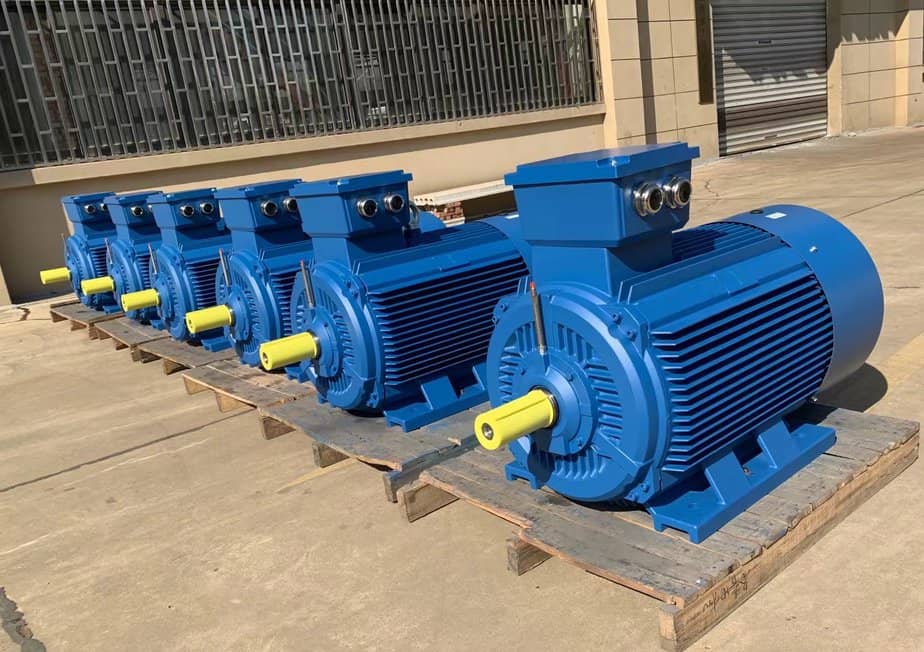
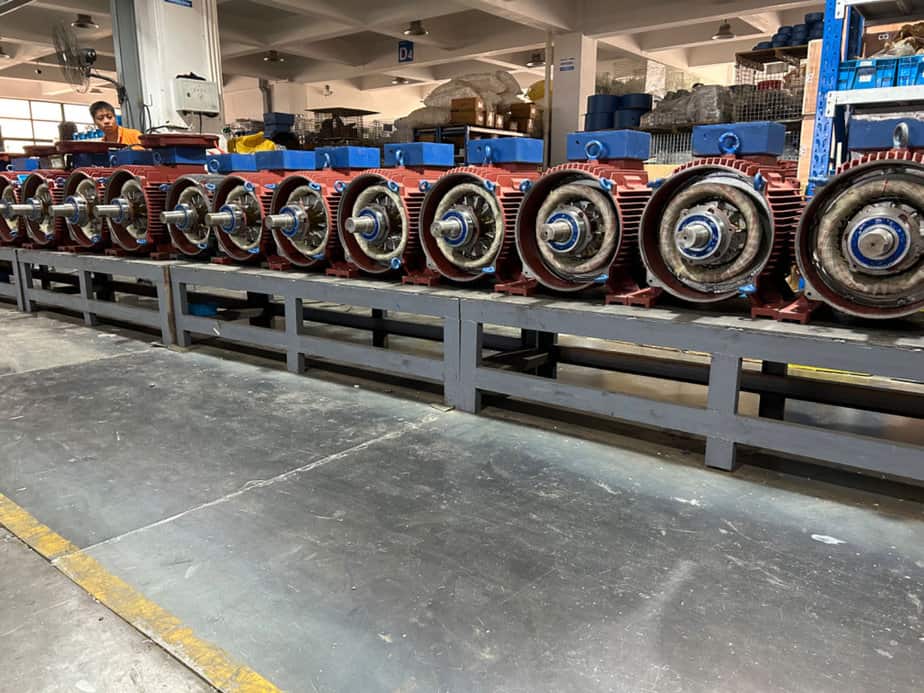
Dongchun motor 是中国电动机的专业制造商。
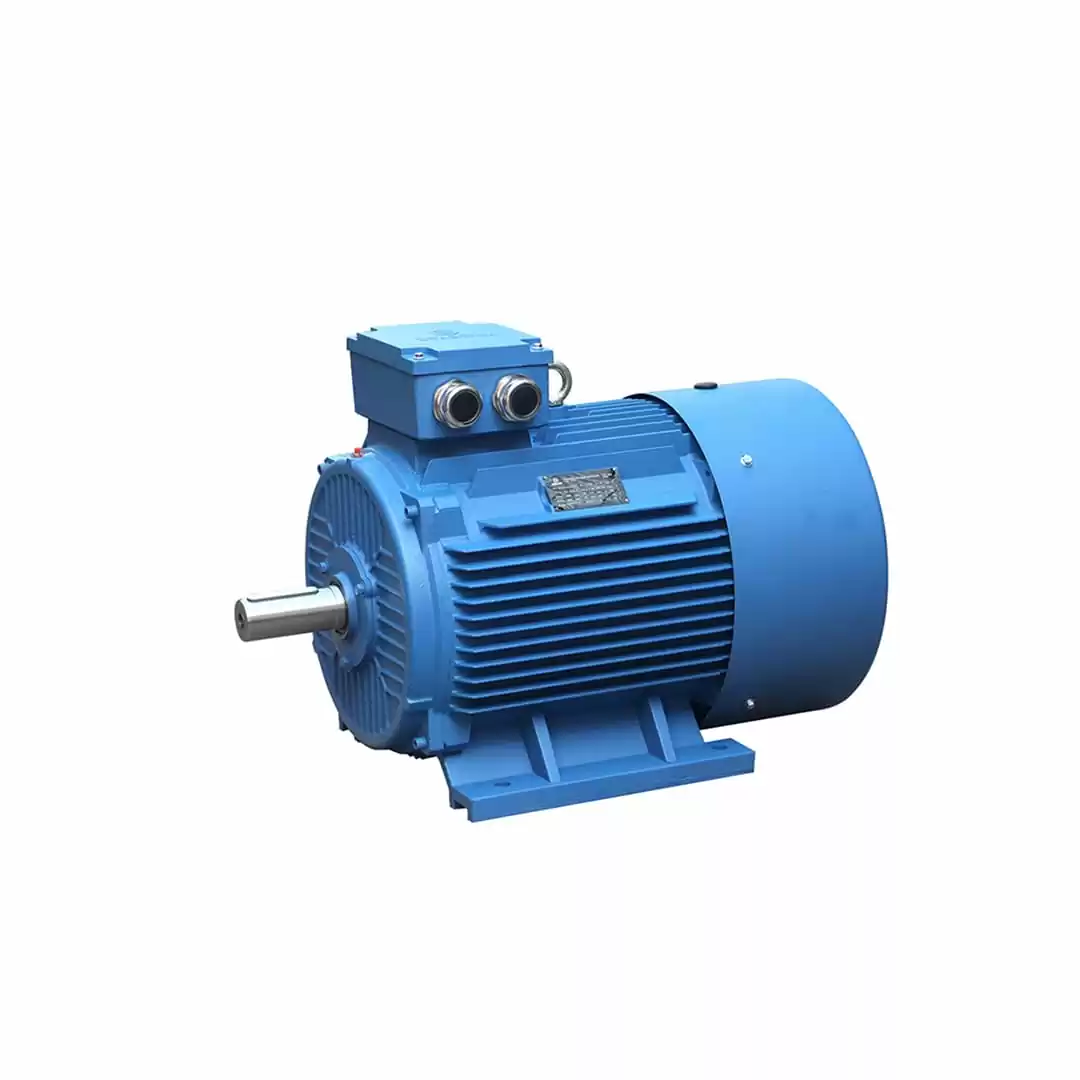
他们供应单相和三相电机如下
单相电机 : YC, YCL 带铸铁机身和 ML , MY 马达带铝制机身
三相电机 : IE1, IE2, IE3 电机,适用于铸铁机身和铝制机身
刹车马达:直流制动电机和交流制动电机
摩托车变频器r :变频驱动电机。
如果您想进行专业订购,请向我们发送询盘。

东淳电机拥有广泛的电机产品,应用于交通、基础设施、建筑等各个行业。
获得及时回复。

介绍
近年来,随着电力电子、计算机技术和控制理论的发展,全球工业电机市场大幅增长。
随着稀土永磁材料和磁性复合材料的出现,各种新型、高效、特种电机相继出现。
随着国际社会对节能环保和可持续发展的日益重视,生产高效电机已成为全球工业电机的发展方向。
在全球能源消耗减少的背景下,高效节能政策不断出台,进一步推动全球工业电机制造业加速发展。
电机行业向智能化、节能化转型

目前,普通低压电动机的技术已经比较成熟,但在大功率高压电动机、特殊环境应用电动机和超高效电动机等领域还存在较多的技术门槛。
全球电机市场综合发展趋势主要表现在以下几点:
行业正在向智能化、集成化方向发展。
传统电机制造实现了先进电子技术与智能控制技术的交叉融合。
未来针对工业用中小型电机系统,不断开发、优化智能控制技术,实现电机系统控制、传感、驱动等功能的集成设计和制造,是电机行业的发展趋势。
电机制造向差异化、专业化、高效、节能方向发展

电机产品广泛应用于能源、交通、石油、化工、冶金、矿山、建筑等各个领域。
随着全球经济的深入和科学技术水平的不断提高,过去同一种类型的电机同时用于不同性质、不同场合的局面正在被打破,电机产品逐渐向专业化、差异化、专用化方向发展。
近年来,全球环保政策为提高电机及其控制系统的效率指明了明确的政策方向。因此,电机行业需要加快现有生产设备节能改造,推广高效绿色生产工艺,开发新一代节能电机、电机系统及控制产品、检测设备,完善电机及系统技术标准体系,努力提升电机及系统产品核心竞争力。
节能电机的优化设计和材料选择
节能电动机采用优质材料和优化设计,以实现更高的效率。
For example, the higher the aluminum content in the rotor, the higher the slot filling factor in the stator, and the lower the resistance losses.
Optimized rotor structure and rotor-stator air gap reduce stray load losses.
Improved cooling fan design minimizes wind resistance losses for electric motor cooling, and higher quality and thinner steel stacks are used for rotor and stator cores to greatly reduce magnetization losses.
Optimize the size of the stator and rotor laminations and the quality of the steel used in them

Hysteresis losses and eddy current losses together are called core losses, and about 20% of the total losses are caused by eddy current and core saturation.
The eddy currents generated in the laminations move relative to the changing magnetic field, resulting in significant power losses.
Stacked stator cores reduce eddy current losses and based on iron mass, resistivity, density, thickness, frequency and flux density, eddy current losses can be minimized with more stacks.
Hysteresis losses are generated in the magnetic circuit when the flux is constantly changing.
Most of the load materials used in electric motors are steels used in the stator and rotor cores, and flux density and core losses are minimized by reducing the laminations thickness.
Hysteresis losses can be reduced by annealing a better grade of steel for the laminations to change the grain structure for easier magnetization.
Eddy current losses are reduced by increasing the resistivity of the silicon containing steel, but the silicon content increases die wear during stamping because it increases the hardness of the steel.
Steel crystals damaged during stamping severely reduce the magnetic quality of the affected volume.
Annealing flattens the stack and recrystallizes the crystals damaged during the stamping process, thus extending a thin sheet thickness into the stack.
Stator lamination using dipping bath process

Impregnating the stator strengthens the electrical insulation of the stator winding against chemicals or harsh environmental influences and enhances heat dissipation.
Thermoset plastics including epoxy resins, phenolic resins and polyesters are used to impregnate the stator.
Immersion is the immersion of the stator into the resin for a longer period of time to ensure optimal penetration and protection.
Another method of impregnation is known as vacuum pressure, which uses a tank that is first evacuated and then pressurized to achieve penetration of the stator.
Achieving the extraction of air pockets from the electrical windings improves the thermal conductivity of the windings.
Optimize the design of the stator tank to maximize the volume of insertable copper

The slot fill rate affects the stator winding mass to some extent.
A low slot fill rate leads to 60% of the total losses, so in order to reduce the total losses, the stator winding mass must be larger, thus reducing the resistance.
Compared to standard efficiency motors, high efficiency electric motors contain more than 20% extra copper and the insulated windings of the stator are placed in slots in the steel sheet.
The cross-sectional area must be large enough to meet the rated power of the electric motor. Generally, induction motors use open or semi-enclosed stator slots.
In a semi-enclosed slot, the slot opening is much smaller than the slot width, making winding more difficult and time-consuming to manufacture than in an open slot.
The number of stator slots must be selected during the design phase, as that number affects weight, cost and operating characteristics.
The advantages of electric more slots are reduced leakage resistance, reduced tooth pulsation losses and improved overload capacity. The disadvantages of electric more stator slots are increased cost, increased weight, increased magnetization current, increased iron losses, poor cooling, increased temperature rise and reduced efficiency.
Rotor die casting using high quality pure aluminum

A custom designed rotor maximizes starting torque, reduces conductor resistance and increases efficiency.
Most induction motor rotors are of squirrel cage design. They are robust, simple and less expensive, but they have a lower starting torque.
Copper rotors improve efficiency, but are both difficult and expensive to manufacture.
Optimal air gap between rotor and stator

The air gap is the radial distance between the rotor and stator of a motor in a standard radial electric motor.
In order to improve the efficiency of the design, the optimum air gap needs to be maintained.
Air gap dimensions relate to the design of the stator, rotor, electric motor housing and bearings.
All of these affect the precise alignment of the stator and rotor shafts.
Use of high performance electromagnetic enameled wire

Magnet or enameled wire is an electrolytically refined copper or aluminum wire that has been fully annealed and coated with one or more layers of insulation.
For example, wires with a total of 12 layers of insulation are used. Typical insulation films, which increase with temperature range, are polyethylene, polyurethane, polyester and polyimide up to 250°C.
Thicker rectangular or square magnet wire is wrapped with high temperature polyimide or fiberglass tape, using more copper, and larger conductor bars and conductors increase the cross-sectional area of the stator and rotor windings, which reduces winding resistance and decreases losses due to current, and the high-efficiency electric motor stator windings typically have 20% more copper in them.
The electric motor consists of many parts, each part provides different structural and functional properties, resulting in different functions in the motor system, and each part provides functional advantages and disadvantages that ultimately affect the motor input performance.
By optimizing the performance of each component of the electric motor, the performance of the electric motor is ultimately optimized.
结论

At present, the electric motor manufacturing industry is gradually changing from "big and complete" to "specialization and intensification" to cope with the globalized market competition.
In the future, driven by the low-carbon environmental protection policy, industrial motors will be fully developed towards green energy saving.
Dongchun motor is electric motor manufacturer in China, who is focus on high effiency motor.
Welcome to contact us to get a free quote.