A. Explanation of electric motors and their importance in various industries
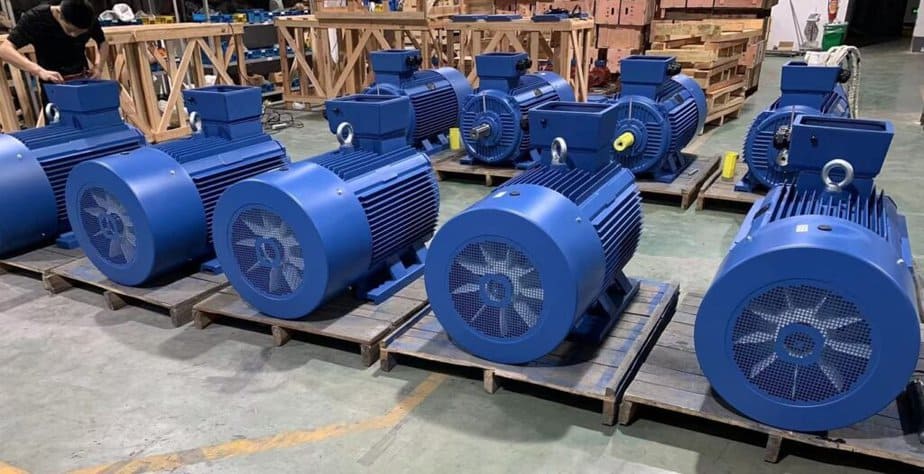
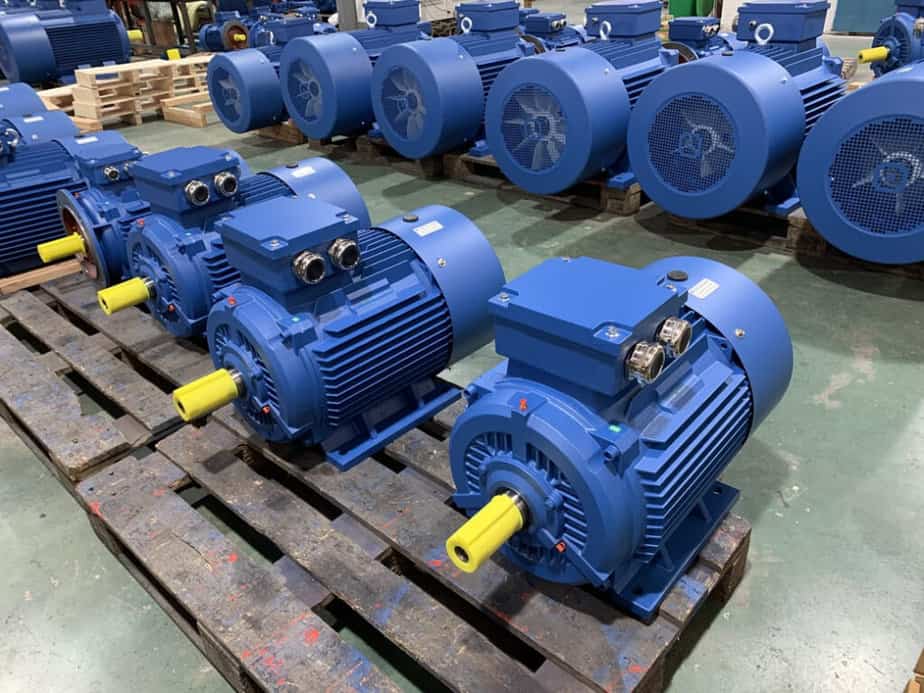
Electric motors are an integral part of various industries and have become an essential component in powering a wide range of industrial applications, from simple household appliances to complex machinery used in the manufacturing industry, transportation, and power generation.
Pretvarjajo električno energijo v mehansko energijo, ki se uporablja za pogon opreme, strojev ali vozil. Z naraščajočim povpraševanjem po električni energiji v industriji je pomen elektromotorjev postal večji.
Zato je nujno vedeti, katere tovarne proizvajajo najboljše električne motorje na svetu.
B. Pregled lestvice 5 najboljših tovarn električnih motorjev na Japonskem
Japonska je znana po svoji natančni proizvodnji in je sinonim za proizvodnjo visokokakovostnih elektromotorjev.
Japonske tovarne električnih motorjev so slovele po proizvodnji vzdržljivih, energetsko učinkovitih in stroškovno učinkovitih električnih motorjev. V tem članku bomo podali pregled 5 najboljših tovarn električnih motorjev na Japonskem.
We will analyze the factors that differentiate them from others and rank them based on their products, market share, and other factors, including the brands you have mentioned, such as AC Motors and DC Electric Motor.
II. Ranking of Top 5 Electric Motor Factories in Japan
Japan boasts some of the finest electric motor factories in the world. Here are the top 5 electric motor factories in Japan, ranked based on their products, market share, and strengths:
A. Nidec Corporation
Nidec Corporation is a leading manufacturer of electric motors with a market share of 31.7% in Japan. The company produces various types of electric motors, including AC motors, DC motors, and synchronous motors.
They offer high-quality, efficient, and eco-friendly motor solutions with the use of advanced motor control technologies.
Nidec je specializiran za proizvodnjo specializiranih motorjev za različne industrije, vključno z avtomobilsko industrijo, gospodinjskimi aparati in vesoljsko industrijo.
B. Mitsubishi Electric Corporation
Mitsubishi Electric Corporation je znan proizvajalec elektromotorjev s 14,8-odstotnim tržnim deležem na Japonskem.
Proizvajajo široko paleto elektromotorjev, vključno z indukcijskimi motorji in servo motorji, ki se uporabljajo v robotiki in sistemih za avtomatizacijo.
Njihovi izdelki so zelo napredni in zasnovani tako, da podpirajo široko paleto industrijskih aplikacij, hkrati pa ohranjajo visoko učinkovitost in zanesljivost.
C. Toshiba Corporation
Toshiba Corporation je še en vodilni proizvajalec električnih motorjev, ki deluje že več kot 100 let.
They produce high-quality electric motors, including AC motors and DC motors, ranging from small to large sizes.
They specialize in industrial motors for various applications, including heavy machinery, manufacturing equipment, and home appliances.
D.Panasonic Corporation
Panasonic Corporation is a well-known producer of high-quality electric motors that excel in both durability and energy efficiency.
They produce a wide range of industrial motors, such as synchronous and induction motors, with a focus on electrical energy-saving motors.
Their products are suitable for a broad range of industrial applications, including HVAC, home appliances, and automotive.
E. Yaskawa Electric Corporation
Yaskawa Electric Corporation is an established producer of electric motors that are considered to be reliable, high-quality, and cost-effective.
They specialize in producingAC motors, DC motors, and servo motors used in robotics and automation systems.
Their products are widely used in various industrial applications and are known for their high efficiency and durability.
These are the top five electric motor factories in Japan. These companies are leaders in the industry and provide high-quality electric motors that are sturdy, efficient, and durable for various industrial applications ranging from household appliances to heavy machinery.
Elektromotorji so ključni sestavni deli v različnih industrijskih aplikacijah. Tukaj je nekaj najpogostejših aplikacij elektromotorjev v industriji:
A. Električni motorji, ki se uporabljajo v predelovalni industriji
Predelovalna industrija je močno odvisna od električnih motorjev za napajanje svojih strojev in opreme.
Električni motorji se uporabljajo v proizvodnih procesih za različne naloge, vključno z ravnanjem z materialom, montažnimi linijami in transportnimi sistemi.
Električni motorji imajo tudi ključno vlogo pri natančnem laserskem rezanju, žigosanju kovin in opremi za varjenje, ki se uporablja v predelovalni industriji.
B. Pomen električnih motorjev v industrijskih aplikacijah
Elektromotorji so sestavni deli različnih industrijskih aplikacij in obstaja več razlogov, zakaj so ključni.
First, they are efficient and can save energy, resulting in cost savings for businesses.
Their efficiency also means that they can operate at higher speeds and produce more output compared to other power sources.
Second, electric motors are silent and produce fewer vibrations, making them more suitable for use in quieter environments or where noise pollution is a concern.
Lastly, electric motors are eco-friendly as they produce fewer emissions than traditional combustion engines.
Industrial electric motors come in different types, depending on their design and application. Some common types include AC motors, DC motors, and synchronous motors.
Each type of electric motor has distinct advantages and limitations, making it important to select the appropriate motor for the specific application.
Incorporating high-efficiency motors like squirrel cage and three-phase induction motors can contribute significantly to the reduction of overall energy consumption in the industry, and hence the cost of production.
IV. Types of Electric Motors used in Industry
There are several types of electric motors used in various industrial applications. Here are the most common types of electric motors:
A. AC Motors
AC motors are the most common type of electric motor used in industry.
They operate on alternating current and come in various designs, including synchronous and asynchronous motors.
Synchronous AC motors have a constant speed and are used in applications that require high precision, such as automation systems.
Asynchronous AC motors are commonly used in industrial applications that require constant speed and reliability, such as pumps, fans, and conveyors.
B.DC Motors
DC motors operate on direct current, and they have a reputation for being precise and efficient.
They come in various designs, including brushed and brushless motors.
Brushed DC motors are commonly used in low-power applications, such as small electronic devices, whereas brushless DC motors are more effective in high-power applications, such as robotics and automation.
C. Synchronous Motors
Synchronous motors operate in sync with the frequency of the power source, and hence they are also called "AC synchronous motors."
They are similar to AC motors in many ways, but they are known for their precision and their ability to operate at very high speeds.
Their high efficiency and precision make them ideal for use in industrial applications such as robotics, machine tools, and manufacturing equipment.
D. Induction Motors
Induction motors are a type of AC motor that operates on the principle of electromagnetic induction.
They are widely used in various industrial applications, including pumps, conveyors, and machine tools, due to their high efficiency and reliability.
Induction motors are also known for their ability to work in harsh environments.
Each type of electric motor has its advantages and limitations.
Hence, it is crucial to choose the appropriate motor for specific applications.
Some other types of industrial electric motors include servo motors, linear motors, and stepper motors.
V. Motor Efficiency
A. Importance of Motor Efficiency
Motor efficiency is an essential factor to consider when selecting an electric motor for industrial use.
Higher motor efficiency translates to better energy utilization, lower energy costs, and reduced greenhouse gas emissions.
Using high-efficiency motors can help businesses save money on their energy bills while simultaneously reducing their environmental impact.
In some countries, government regulations and incentives encourage the use of high-efficiency motors in industries to support energy conservation and reduce carbon emissions.
The electric motor industry has made significant strides in developing more efficient motors in recent years.
The latest advancements in motor design and manufacturing have led to the creation of high-efficiency motors that consume less power and produce less heat. Some notable advancements include:
Permanent Magnet Motors:
These motors use magnets on the rotor instead of the traditional winding used in induction motors. Permanent magnet motors produce higher efficiency and are commonly used in hybrid and electric vehicles.
Variable Frequency Drives:
These drives are used to control the speed of an electric motor by altering the frequency of the power supplied. They allow for precise speed control and energy savings, making them suitable for a wide range of industrial applications.
Motor Control Technologies:
Advanced motor control technologies, such as variable speed drives and soft starters, can help businesses save energy and optimize motor performance. These technologies can help reduce energy costs by adjusting the motor's speed to match the load demand.
Improved Magnetic Materials:
The development of high-performance magnetic materials such as neodymium magnets has led to the production of more efficient motors with higher power densities.
VI. Frequently Asked Questions on Electric Motors
A. What is the difference between AC and DC Motors?
The main difference between AC (Alternating Current) and DC (Direct Current) Motors is the way in which the electrical power is supplied to the motor.
DC motors operate using a constant supply of electrical power with the same polarity. In contrast, AC motors require a fluctuating alternating electrical current to operate.
AC motors are generally more efficient and reliable than DC motors, and they are the most commonly used type of electric motor.
B. What are 'stator windings'?
Stator windings are one of the key components in an electric motor, and they are responsible for producing the magnetic field that drives the motor.
They are electrical coils wound around the stationary part of an electric motor, known as the stator, and are made from copper wire.
When electrical current passes through the stator windings, it creates a magnetic field that interacts with the magnetic field produced by the rotor to turn the motor.
Three-phase induction motors are a type of AC motor that is widely used in industrial and commercial applications.
They are highly efficient, durable, and reliable, and are capable of producing a large amount of power for extended periods of time.
Three-phase induction motors use a rotating magnetic field produced by three-phase electrical power to turn the rotor and generate mechanical power.
D. What is the difference between squirrel cage and slip ring motors?
Squirrel cage and slip ring motors are two different types of three-phase induction motors. Squirrel cage motors are the most common type and have a simple design that does not require any extra components such as brushes or slip rings.
They are highly efficient and reliable and are used in a wide range of applications.
Slip ring motors, on the other hand, have a more complex design that allows for better speed control and starting torque.
They use slip rings and brushes to connect the rotor winding to an external electrical circuit, which allows for external resistance to be added or removed to control the motor's speed and torque.
They are commonly used in heavy-duty applications such as cranes, hoists, and elevators.
VII. Conclusion
elektromotorji so bistveni sestavni deli mnogih sodobnih strojev in naprav. Razumevanje njihovih načel delovanja in različnih vrst, ki so na voljo, je ključnega pomena za vsakogar, ki dela na področju elektrotehnike ali strojništva. Sposobnost diagnosticiranja in popravljanja napak na motorju je prav tako dragocena veščina v številnih panogah.
Upamo, da je ta priročnik zagotovil nekaj koristnih informacij o električnih motorjih, vključno z njihovimi osnovnimi principi, vrstami in aplikacijami.
Z nadaljnjim učenjem o tej temi lahko izboljšate svoje znanje in ostanete konkurenčni v današnjem nenehno razvijajočem se tehnološkem okolju.
Profesionalni proizvajalci električnih motorjev na Kitajskem
Kitajska je pomemben igralec v svetovni industriji električnih motorjev, saj številni proizvajalci proizvajajo visokokakovostne in stroškovno učinkovite motorje za različne namene.
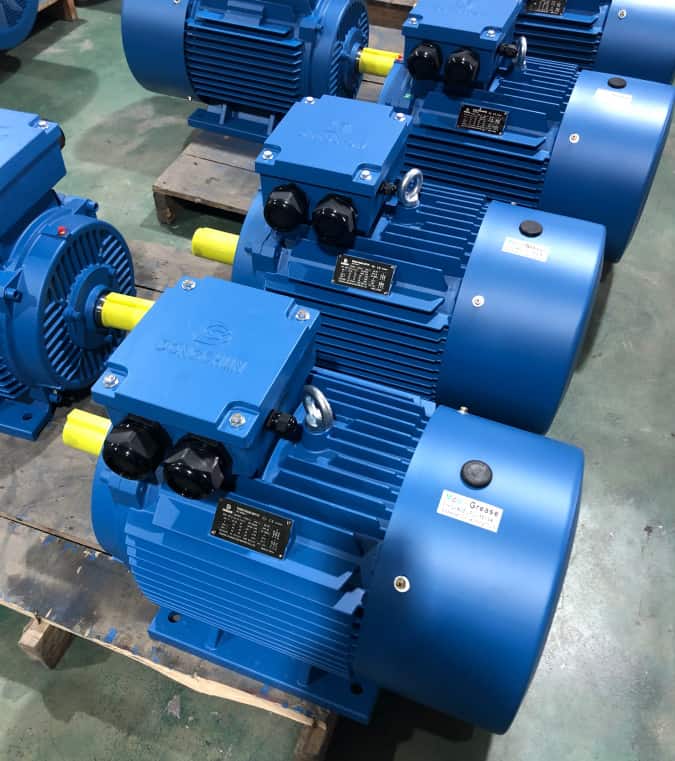
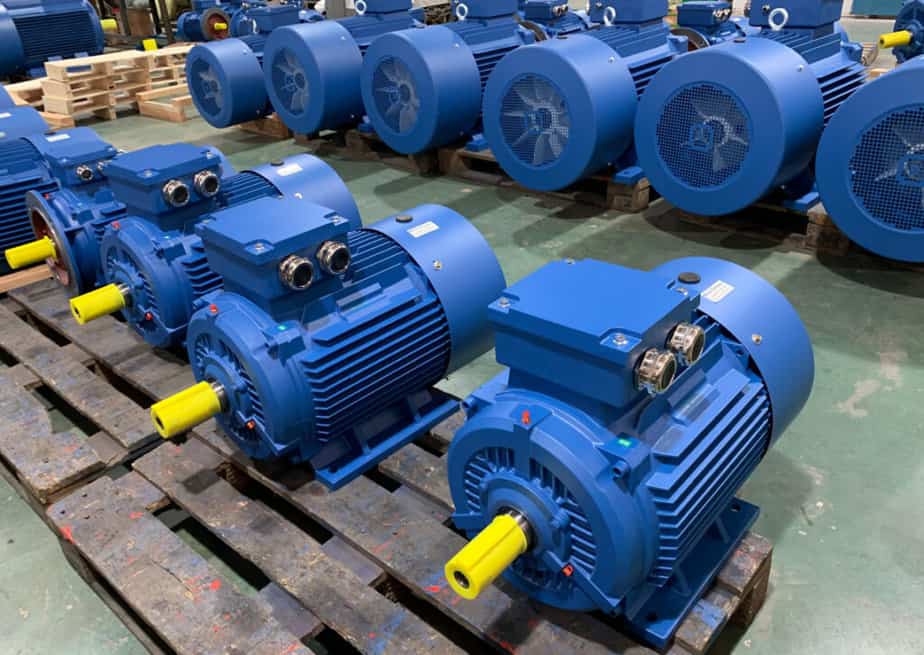
Dongchun motor ponuja široko paleto električnih motorjev, ki so zasnovani in izdelani v skladu z mednarodnimi standardi in v skladu s posebnimi zahtevami svojih strank.
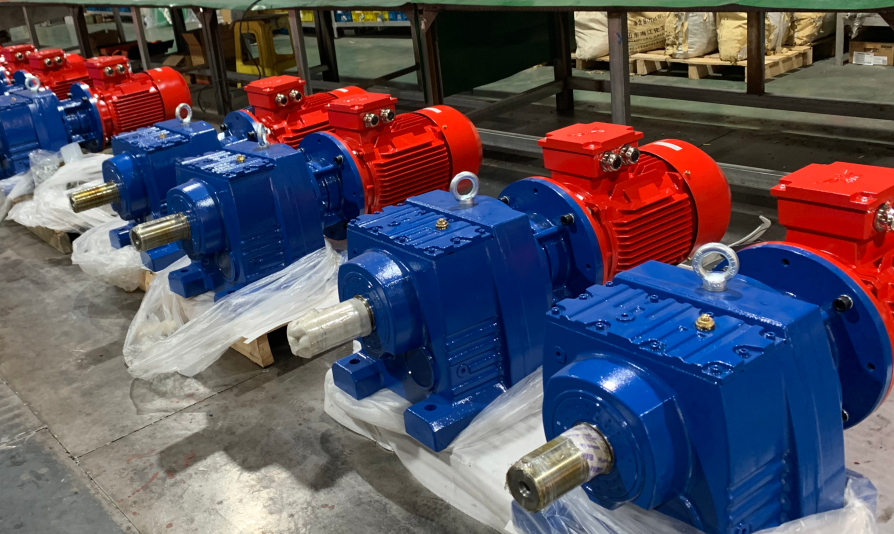
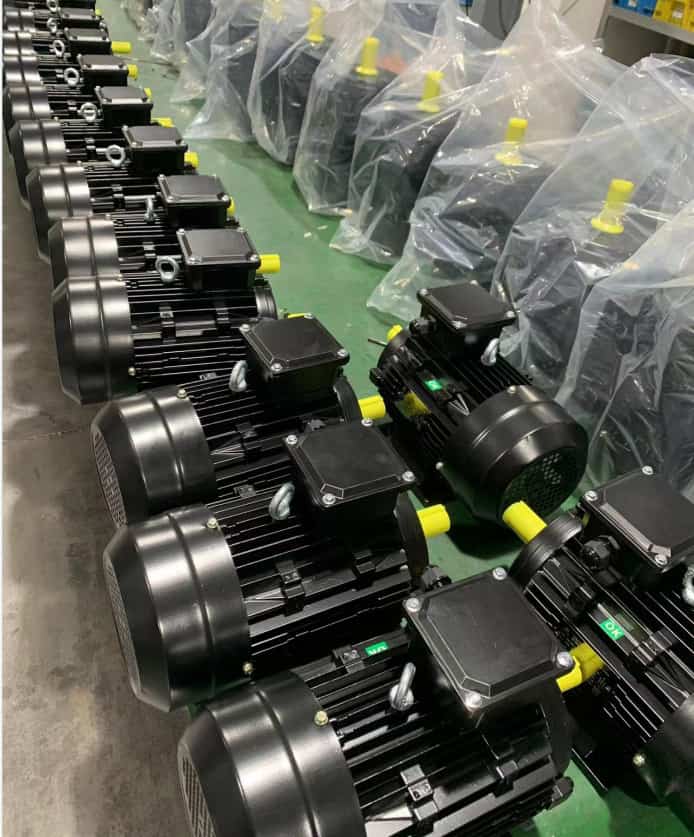
Podjetje ima obsežen portfelj izdelkov, ki vključuje enofazne in trifazne AC motorje, zavorne motorje, motorje z zobniki in posebne motorje za prilagojene aplikacije.
 Preskočite na vsebino