콘텐츠로 건너뛰기
I. 소개
소개 섹션에서는 주제에 대한 간략한 개요를 제공하고 기사의 맥락을 설정합니다. 목표는 독자의 관심을 끌고 유압 펌프용 전기 모터 주제에 대한 관심을 불러일으키는 것입니다.

다루어야 할 잠재적인 사항:
- Start with a catchy opening statement or a thought-provoking question related to hydraulic systems and their reliance on electric motors. Example: "Imagine a world without electric motors powering hydraulic systems. How would industries function efficiently without this crucial component?"
- Explain the significance of hydraulic systems in various industrial applications, highlighting their role in generating force and power. Example: "Hydraulic systems are the backbone of numerous industries, from manufacturing and construction to automotive and aerospace. They harness the power generated by electric motors to drive hydraulic pumps, enabling the smooth operation of heavy machinery and precise control in critical processes."
- Introduce the specific focus of the article: types of electric motors used in hydraulic pumps. Example: "In this article, we delve into the fascinating world of electric motors for hydraulic pumps. We'll explore the different types of electric motors, their advantages, and applications in hydraulic systems. So, let's unveil the diverse range of electric motors that power the hydraulic force behind industrial operations."
- State the objective of the article, which is to provide a comprehensive understanding of the various electric motor types and their suitability for hydraulic systems. Example: "By the end of this article, you'll have a solid grasp of the different electric motor options available, empowering you to make informed decisions when selecting the most appropriate motor for your hydraulic system's needs.
II. 전기 모터의 이해
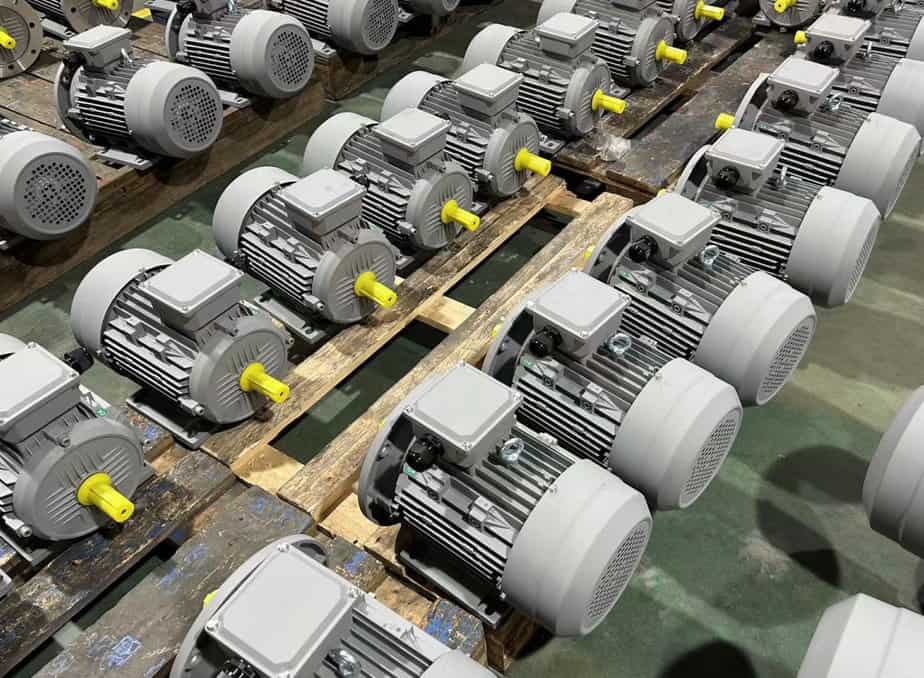
In this section, we will provide a fundamental understanding of electric motors and their crucial role in powering hydraulic pumps. By explaining the basic principles behind electric motors, we aim to lay the foundation for the subsequent discussion on different types of motors used in hydraulic systems.
다루어야 할 잠재적인 사항:
- Define electric motors and their function: Start by providing a clear definition of electric motors. Explain that they are devices that convert electrical energy into mechanical energy, enabling the rotation of a shaft.
- Discuss the key components of electric motors: Introduce the main components of an electric motor, such as the stator, rotor, and winding. Briefly explain their roles in the motor's operation.
- Explain the operating principle of electric motors: Describe the basic principle behind electric motors, which involves the interaction between magnetic fields created by the stator and rotor. Emphasize that this interaction generates the rotational motion of the shaft.
- Highlight the connection between electric motors and hydraulic pumps: Explain that electric motors provide the driving force to hydraulic pumps, which convert mechanical energy into hydraulic energy. Describe how the rotational motion generated by the motor is transmitted to the pump, resulting in the pressurization of hydraulic fluid.
- Discuss the importance of motor selection for hydraulic systems: Emphasize that choosing the right electric motor is critical for the overall performance and efficiency of a hydraulic system. Mention that factors such as power requirements, speed control, and torque characteristics should be considered when selecting a motor for a specific hydraulic application.
III. 유압장치용 전기 모터의 중요성
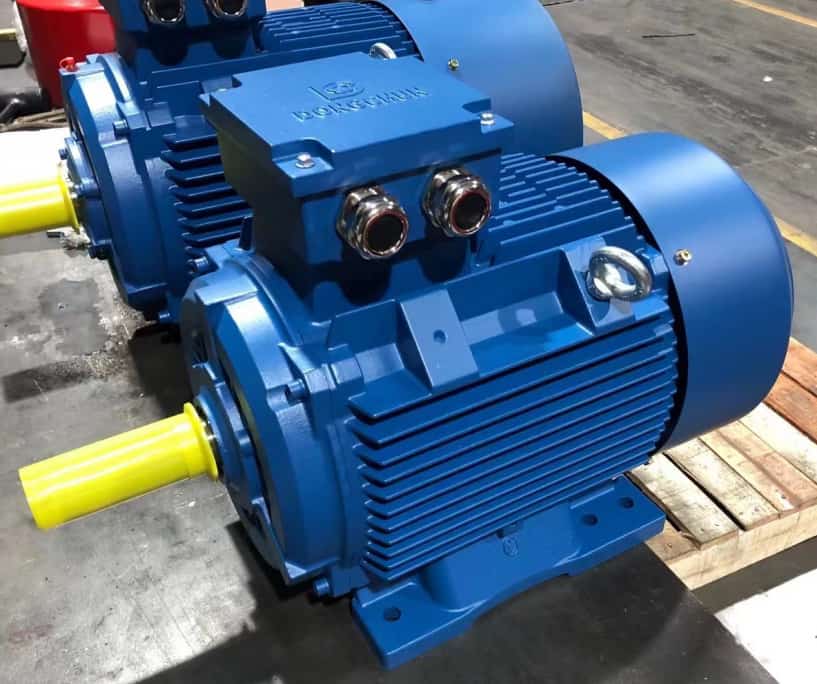
이 섹션에서는 유압 시스템에서 전기 모터의 중요성을 살펴보겠습니다. 주요 장점과 이점을 강조함으로써 우리는 전기 모터가 유압 펌프에 동력을 공급하는 데 중요한 구성 요소인 이유를 보여주는 것을 목표로 합니다.
다루어야 할 잠재적인 사항:
- 안정적인 동력원: 전기 모터는 유압 시스템에 안정적이고 일관된 동력원을 제공한다는 점을 설명합니다. 내연기관과 같은 다른 동력원과 달리 전기 모터는 안정적이고 제어된 출력을 제공하므로 유압 펌프의 속도와 토크를 정밀하게 조정할 수 있습니다.
- Control and precision: Discuss how electric motors enable precise control over the operation of hydraulic pumps. Electric motors can be easily regulated, allowing for accurate adjustments to the speed and torque, which is vital for achieving the desired performance in various hydraulic applications.
- Efficiency and energy savings: Highlight the high efficiency of electric motors in converting electrical energy into mechanical energy. Compared to alternative power sources, such as internal combustion engines, electric motors are known for their energy efficiency, resulting in reduced energy consumption and lower operating costs over the long term.
- Environmental impact: Address the environmental benefits of using electric motors in hydraulic systems. Electric motors produce fewer emissions and pollutants compared to combustion engines, contributing to a cleaner and greener operation. This aligns with the increasing focus on sustainability and reducing carbon footprints in various industries.
- Minimal maintenance and longevity: Explain that electric motors require minimal maintenance compared to other power sources. They have fewer moving parts, eliminating the need for frequent maintenance and reducing downtime. Additionally, electric motors typically have longer lifespans, leading to cost savings and enhanced reliability in hydraulic systems.
IV. 전기 모터의 종류
A. AC 모터
AC motors, also known as alternating current motors, are a widely used type of electric motor in hydraulic systems. In this section, we will explore the operation of AC motors and discuss their suitability for precise speed and torque control in hydraulic applications.
- Operation of AC Motors: AC motors operate on the principle of alternating current, where the direction of the current periodically reverses. These motors consist of a stator and a rotor. The stator contains a set of stationary windings that create a rotating magnetic field when energized by an AC power source. The rotor, usually in the form of a squirrel cage, is placed inside the stator and interacts with the magnetic field, causing the rotor to rotate.
- Suitability for Precise Speed and Torque Control: AC motors offer excellent control over speed and torque, making them suitable for applications that require precise adjustments. By modulating the frequency and voltage supplied to the motor, the speed and torque output can be finely controlled. This control allows for smooth and accurate operation of hydraulic pumps, ensuring optimal performance in various industrial processes.
- Applications in Hydraulic Systems: AC motors find extensive use in hydraulic systems where a constant speed is desired. These motors are commonly employed in applications such as pumps, compressors, fans, and conveyors. Their ability to maintain a stable speed, even under varying load conditions, makes them well-suited for hydraulic systems that require consistent and reliable operation.
- Benefits of AC Motors in Hydraulics: AC motors offer several benefits in hydraulic applications. They provide high power-to-weight ratios, making them suitable for situations where space is limited or weight restrictions are imposed. AC motors are also known for their high efficiency, resulting in energy savings and reduced operating costs. Additionally, AC motors have a long lifespan and require minimal maintenance, enhancing the reliability and longevity of hydraulic systems.
In summary, AC motors are a popular choice for hydraulic systems due to their precise speed and torque control capabilities. They find applications in pumps, compressors, and other equipment where a constant speed is necessary. With their efficiency, reliability, and ease of maintenance, AC motors contribute to the smooth and efficient operation of hydraulic systems.

V. 전기 모터 선택 시 고려해야 할 요소
When selecting an electric motor for a hydraulic pump, it's essential to consider various factors to ensure optimal performance and compatibility with the hydraulic system. In this section, we will discuss key factors that should be taken into account when choosing an electric motor.
다루어야 할 잠재적인 사항:
- Power Requirements: Evaluate the power output required to drive the hydraulic pump efficiently. Consider factors such as the system's load demands, operating conditions, and the desired level of performance. Choosing a motor with the appropriate power rating ensures that it can handle the required workload effectively.
- Speed and Torque Requirements: Analyze the desired speed and torque characteristics of the hydraulic pump. Different applications may have specific speed and torque requirements, such as high-speed or high-torque operations. Select a motor that can deliver the required speed and torque outputs to meet the demands of the hydraulic system.
- Efficiency and Energy Consumption: Assess the motor's efficiency to minimize energy waste and reduce operating costs. Look for motors with high efficiency ratings, as they convert electrical energy into mechanical energy more effectively. Opting for energy-efficient motors can lead to significant energy savings over the long term.
- Cost and Maintenance: Consider the initial cost of the motor as well as the maintenance requirements throughout its lifespan. While cost is an important factor, it should be balanced with the motor's quality and performance. Additionally, choose a motor that requires minimal maintenance, as this can lead to cost savings and increased uptime for the hydraulic system.
- Compatibility with the Hydraulic System: Ensure that the selected motor is compatible with the specific requirements of the hydraulic system. Factors such as physical dimensions, mounting options, and electrical compatibility should be taken into consideration. Consulting with experts or manufacturers can help in selecting a motor that seamlessly integrates with the hydraulic system.

By considering these factors when choosing an electric motor for a hydraulic pump, you can ensure that the motor meets the power, speed, and torque requirements of the system. Taking into account factors like efficiency, cost, maintenance, and compatibility further enhances the overall performance and reliability of the hydraulic system.
6. 각 모터 유형의 장점 및 용도
이 섹션에서는 유압 시스템에 일반적으로 사용되는 다양한 유형의 전기 모터의 이점과 응용 분야를 살펴보겠습니다. 각 모터 유형의 장점과 특정 사용 사례를 이해하면 특정 유압 응용 분야에 가장 적합한 모터를 선택하는 데 도움이 됩니다.
A. DC 모터
- 이익:
- 정밀한 속도 및 토크 제어: DC 모터는 속도 및 토크에 대한 탁월한 제어 기능을 제공하므로 정밀한 조정이 필요한 응용 분야에 이상적입니다.
- 높은 시동 토크: DC 모터는 높은 시동 토크를 제공하므로 무거운 부하를 처리하고 원활하게 시작할 수 있습니다.
- 단순하고 견고한 설계: DC 모터는 비교적 단순한 설계를 가지며 내구성과 신뢰성이 뛰어난 것으로 알려져 있습니다.
- 신청:
- 로봇 공학 및 자동화: DC 모터는 정밀한 제어 및 이동이 필요한 로봇 시스템 및 자동화 애플리케이션에 광범위하게 사용됩니다.
- 컨베이어 시스템: DC 모터는 컨베이어 벨트를 구동하고 산업 공정에서 재료의 이동을 제어하는 데 매우 적합합니다.
- 자동차 응용 분야: DC 모터는 전동 창문, 앞 유리 와이퍼, 시트 조정 메커니즘과 같은 자동차 시스템에 응용됩니다.
B. AC 모터
- 이익:
- 광범위한 전력 옵션: AC 모터는 다양한 전력 등급으로 제공되므로 다양한 유압 응용 분야에 적합합니다.
- 고효율: AC 모터는 고효율로 알려져 있어 에너지 소비를 줄이고 비용을 절감합니다.
- Simple operation: AC motors operate on alternating current, which is readily available in most industrial settings.
- 신청:
- Pumps and compressors: AC motors are commonly used to drive hydraulic pumps and compressors in industries such as manufacturing, agriculture, and construction.
- HVAC systems: AC motors power fans and blowers in heating, ventilation, and air conditioning (HVAC) systems.
- Industrial machinery: AC motors find applications in various industrial machinery, including conveyors, mixers, and agitators.
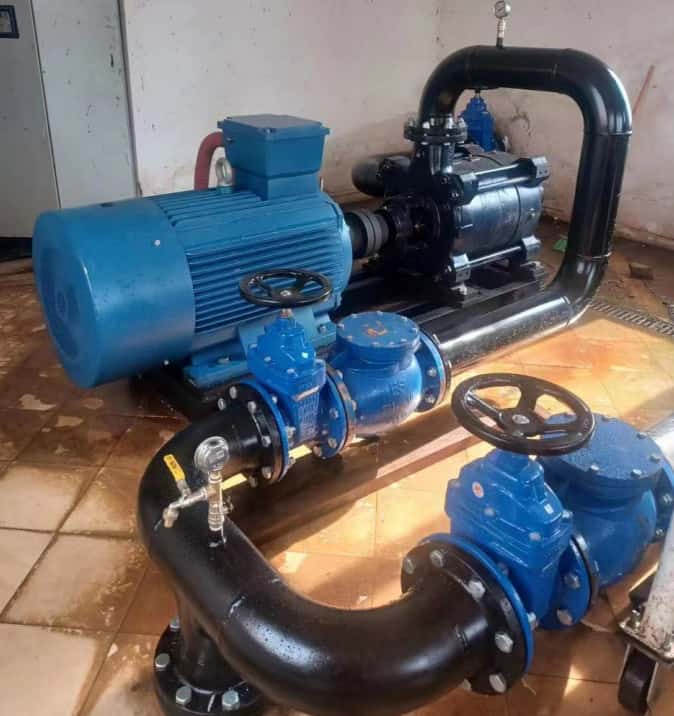
C. 브러시리스 DC 모터
- 이익:
- Improved efficiency: Brushless DC motors offer higher efficiency compared to traditional DC motors due to the absence of brushes.
- Higher torque density: Brushless DC motors provide higher torque output for their size, making them suitable for applications with limited space.
- Reduced maintenance: Since there are no brushes to wear out, brushless DC motors require minimal maintenance.
- 신청:
- Electric vehicles: Brushless DC motors are commonly used in electric vehicles for their efficiency, power, and compact size.
- Aerospace systems: Brushless DC motors find applications in aerospace systems, including aircraft control surfaces, landing gear, and fuel pumps.
- Medical equipment: Brushless DC motors are used in medical devices such as surgical tools, infusion pumps, and diagnostic equipment.
D. Stepper Motors
- 이익:
- Precise positioning: Stepper motors provide precise position control, making them suitable for applications that require accurate movement and positioning.
- Open-loop control: Stepper motors operate in an open-loop control system, eliminating the need for external feedback sensors.
- 신청:
- CNC machines: Stepper motors drive the axes of computer numerical control (CNC) machines, ensuring precise and controlled movement.
- 3D printers: Stepper motors are widely used in 3D printers to control the movement of print heads and build platforms.
- Robotics: Stepper motors play a vital role in robotic systems, enabling precise movement and positioning of robotic arms and joints.
E. Servo Motors
- 이익:
- High precision and control: Servo motors offer exceptional control over position, speed, and torque, making them ideal for applications that require high precision and responsiveness.
- Closed-loop control: Servo motors operate in a closed-loop control system, utilizing feedback sensors to continuously adjust and maintain the desired position or movement.
- 신청:
- Industrial automation: Servo motors are extensively used in industrial automation systems, such as pick-and-place machines and assembly lines, where precise control and movement are critical.
- Robotics: Servo motors are a key component in robotic arms and joints, enabling accurate and coordinated movements.
- Camera gimbals: Servo motors are employed in camera stabilization systems, providing smooth and precise movement for professional videography and photography.
By understanding the benefits and applications of each motor type, you can make an informed decision when selecting the most suitable electric motor for your hydraulic system. Consider the specific requirements of your application, such as speed control, torque demands, and precision, to determine the optimal motor type for achieving the desired performance and efficiency.
VII. 결론
In conclusion, the selection of the appropriate electric motor is crucial for the optimal performance and efficiency of hydraulic systems. Each type of electric motor, whether it's a DC motor, AC motor, brushless DC motor, stepper motor, or servo motor, offers unique advantages and applications in the realm of hydraulic pumps.
DC 모터는 정밀한 속도 및 토크 제어 기능이 뛰어나 로봇 공학 및 컨베이어 시스템과 같이 정확한 조정 및 제어가 필요한 응용 분야에 적합합니다. 반면에 AC 모터는 광범위한 전력 옵션과 높은 효율을 제공하므로 펌프, 압축기 및 산업 기계를 포함한 다양한 유압 응용 분야에 다용도로 사용할 수 있습니다.
브러시리스 DC 모터는 DC 모터와 AC 모터의 장점을 결합하여 향상된 효율성, 더 높은 토크 밀도 및 유지 관리 요구 사항 감소를 제공합니다. 이는 일반적으로 전기 자동차, 항공우주 시스템 및 의료 장비에 사용됩니다.
Stepper motors offer precise positioning control, making them ideal for applications like CNC machines, 3D printers, and robotics, where accurate movement and positioning are essential.

Servo motors provide exceptional precision and control over position, speed, and torque. They are widely used in industrial automation, robotics, and camera stabilization systems, ensuring accurate and responsive movements.
When selecting an electric motor for a hydraulic system, consider factors such as power requirements, speed and torque characteristics, efficiency, cost, maintenance, and compatibility with the hydraulic system's specific requirements.
By carefully considering these factors and understanding the benefits and applications of each motor type, you can make an informed decision that aligns with your hydraulic system's needs, ensuring optimal performance and reliability.
Remember to consult with experts or manufacturers for further guidance in selecting the most suitable electric motor for your hydraulic pump application.
In this section, we will address some frequently asked questions related to electric motors for hydraulic pumps. These FAQs aim to provide additional clarification and address common queries that readers may have.
- Can I use any type of electric motor for my hydraulic system?
다양한 유형의 전기 모터가 있지만 모든 유형이 특정 유압 시스템에 적합한 것은 아닙니다. 전기 모터를 선택할 때는 전력 요구 사항, 속도 및 토크 제어, 효율성, 유압 시스템과의 호환성과 같은 요소를 고려해야 합니다. 유압 시스템의 고유한 요구 사항을 평가하고 전문가 또는 제조업체와 상담하여 가장 적합한 모터 유형을 결정하는 것이 중요합니다.
- 전기 모터는 유압 시스템의 다른 동력원보다 에너지 효율적입니까?
예, 전기 모터는 일반적으로 내연 기관과 같은 다른 동력원에 비해 에너지 효율적입니다. 전기 에너지를 더 높은 효율의 기계 에너지로 변환하여 에너지 낭비를 줄이고 운영 비용을 낮춥니다. 전기 모터는 향상된 에너지 효율성을 제공하므로 에너지 소비 및 지속 가능성 측면에서 유압 시스템에 선호되는 선택입니다.
- 브러시리스 DC 모터는 기존 DC 모터와 어떻게 다릅니까?
Brushless DC motors differ from traditional DC motors in terms of their commutation method. Traditional DC motors use brushes and a commutator to switch the direction of the current in the rotor windings. In contrast, brushless DC motors utilize electronic commutation, eliminating the need for brushes. This electronic commutation allows brushless DC motors to offer advantages such as improved efficiency, higher torque density, reduced maintenance requirements, and enhanced reliability.
- Which motor type is best for applications requiring precise positioning?
For applications that require precise positioning, stepper motors are often the preferred choice. Stepper motors operate by dividing a full rotation into a series of steps, allowing for precise control over the position of the motor's shaft. They are commonly used in applications such as CNC machines, 3D printers, and robotics, where accurate movement and positioning are critical.
- Can servo motors be used in any hydraulic system?
서보 모터는 속도, 위치 및 토크를 정밀하게 제어하는 첨단 전기 모터입니다. 서보 모터는 탁월한 성능을 제공할 수 있지만 모든 유압 시스템에 적합하지는 않습니다. 이들의 적용은 시스템의 특정 요구 사항, 높은 정밀도 및 제어에 대한 필요성, 폐쇄 루프 제어 시스템의 가용성과 같은 요소에 따라 달라집니다. 서보 모터가 적절한 선택인지 결정하려면 유압 시스템의 요구 사항과 제약 조건을 평가하십시오.
이러한 자주 묻는 질문을 해결함으로써 우리는 유압 시스템에서 전기 모터의 선택과 사용에 대한 추가적인 명확성과 통찰력을 제공하는 것을 목표로 합니다.
전기 모터에 대한 자세한 정보를 얻으십시오. 중국 최고의 전기 모터 제조업체와 협력하는 데 관심이 있으시면동춘 홈페이지 방문 전문가와 연결합니다.
다음 문서를 읽어 관련 정보를 찾을 수도 있습니다.