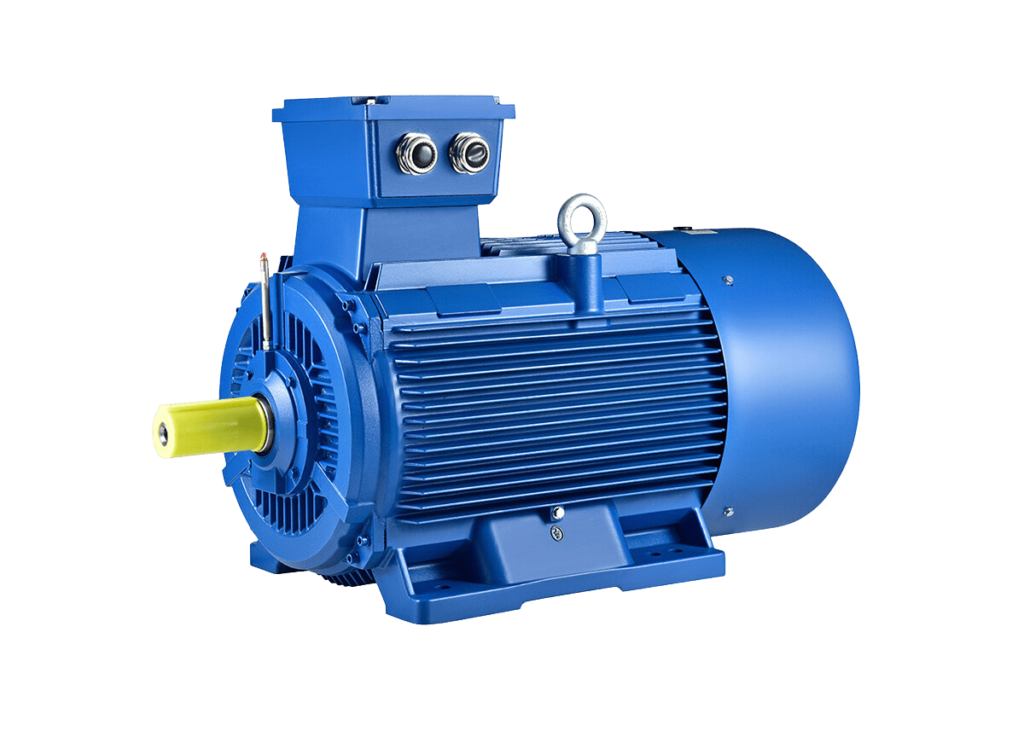
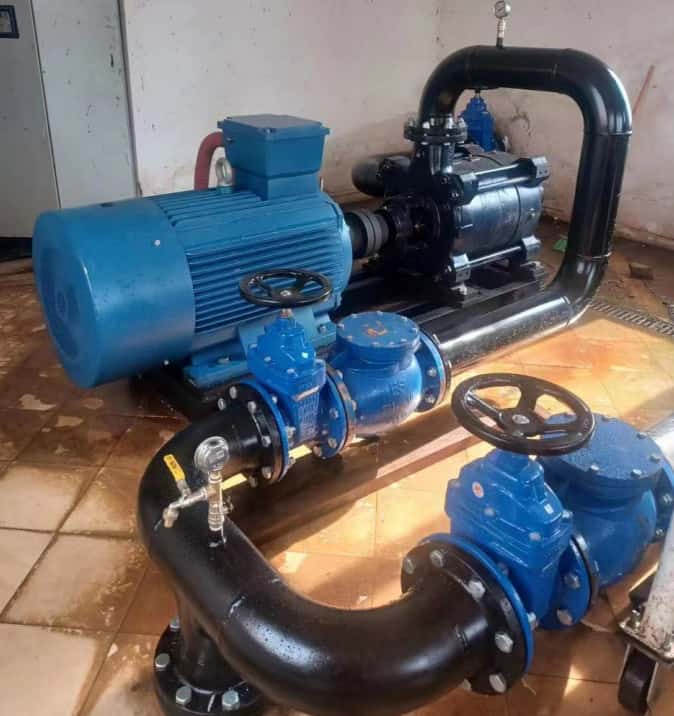
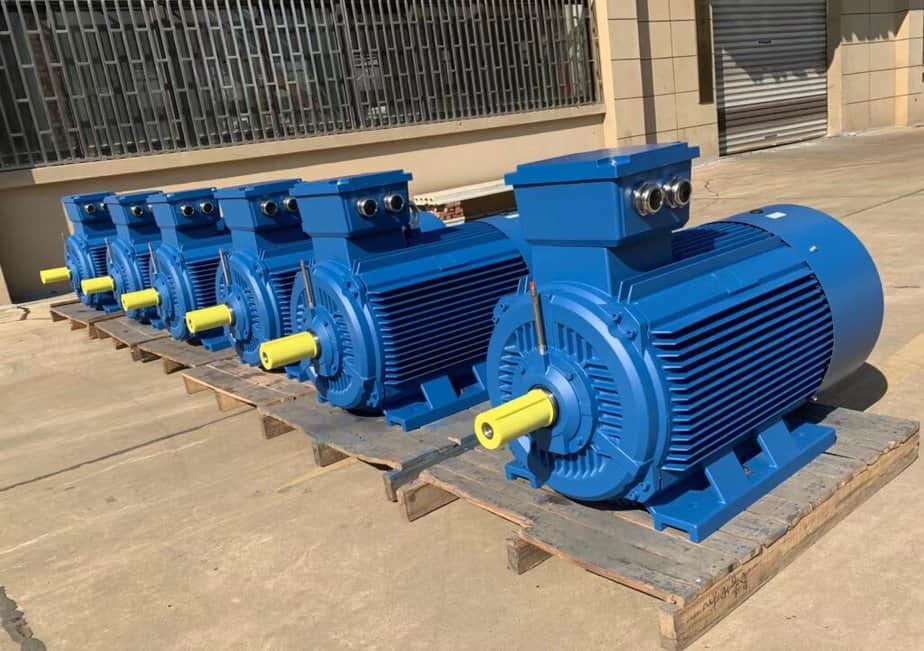
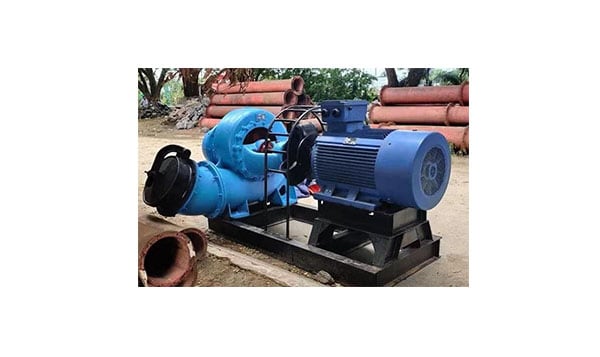
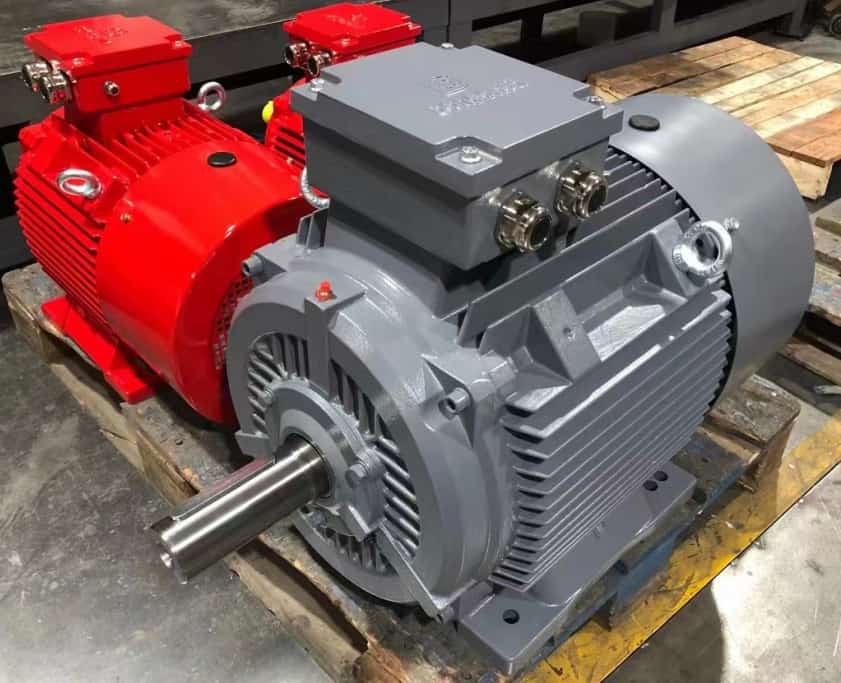
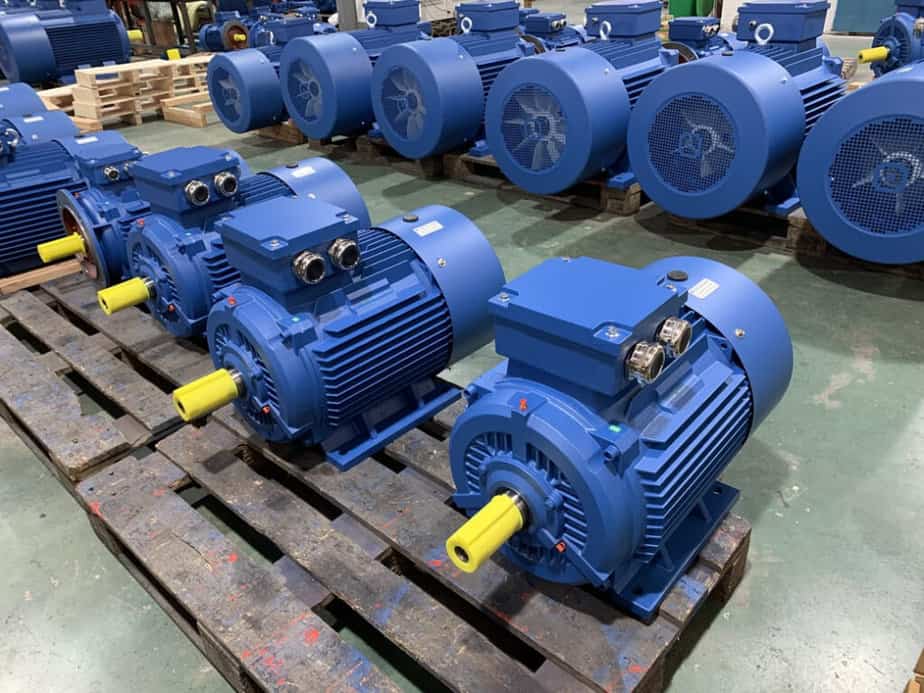
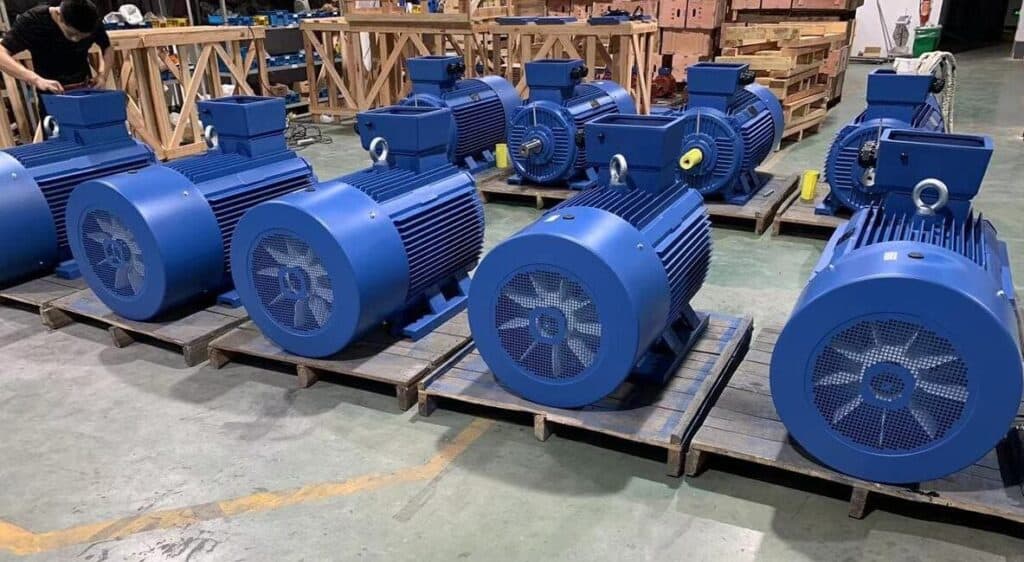
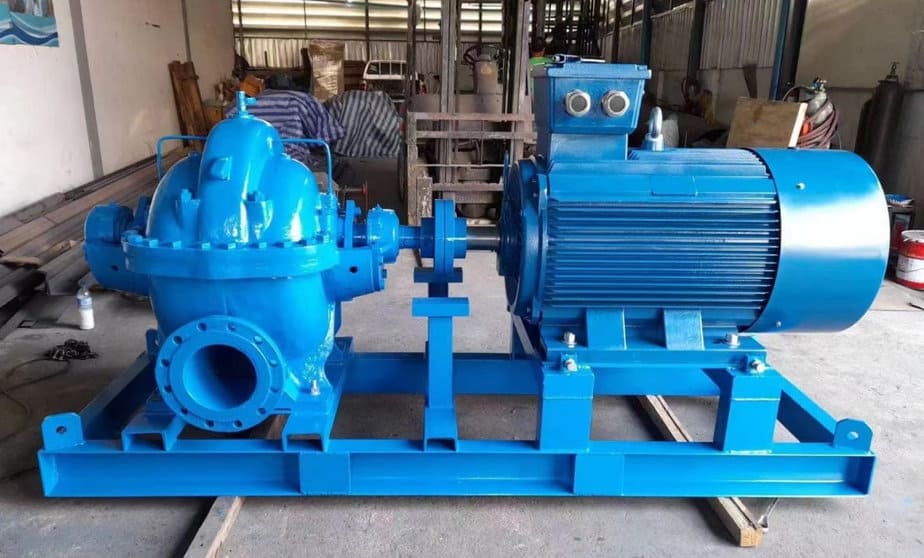
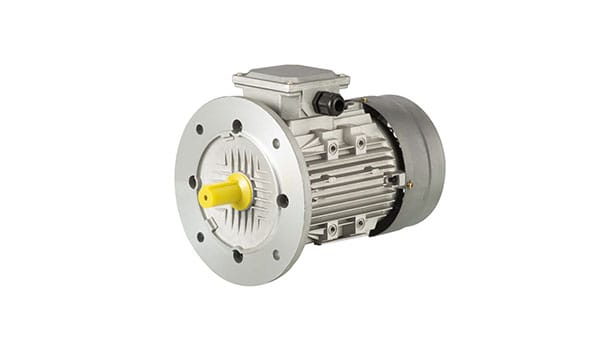
În peisajul vast al mașinilor industriale, motoarele și pompele electrice se remarcă ca componente vitale care conduc o multitudine de procese. Asigurând buna funcționare a industriilor de la tratarea apei la petrol și gaze, acestea sunt cu adevărat inima și arterele industriilor moderne. Acest articol își propune să facă lumină asupra relației simbiotice dintre aceste două elemente esențiale ale industriei – motorul electric și pompa industrială.
Motoarele electrice, caii de lucru ai lumii industriale, transformă energia electrică în energie mecanică, servind drept sursă de energie pentru o multitudine de mașini și dispozitive. Dintre acestea, una dintre cele mai răspândite este pompa industrială, o mașină care facilitează mișcarea fluidelor. Pompele industriale vin într-o mare varietate de tipuri și sunt utilizate în nenumărate aplicații, de la pomparea apei în instalațiile municipale până la mutarea petrolului în rafinării și nu numai.
The link between electric motors and industrial pumps is critical and nuanced, with the design and function of each greatly influencing the other. This article delves into these intricacies, providing an understanding of how electric motors function within industrial pumps and the impact they have on performance, efficiency, and reliability. Whether you're an industry professional, a student, or simply someone interested in industrial machinery, this article will provide valuable insights into the fascinating interplay between electric motors and pumps.
II. Fundamentele pompelor industriale
Industrial pumps are a class of machinery designed to move fluids. This includes liquids like water and oil, as well as gases, or even solid-fluid mixtures such as slurries. They function by creating a pressure difference, which initiates fluid movement from areas of high pressure to areas of lower pressure. Industrial pumps are central to a vast array of sectors, including water treatment, oil and gas, chemical manufacturing, food processing, and many more.
There are several types of pumps used in industrial settings, each with its design, functionality, and application. The most common ones include:
Centrifugal Pumps: These are the most commonly used pumps in industries. They use an impeller to create a centrifugal force, which moves the fluid outward from the center of the pump.
Positive Displacement Pumps: These pumps work by trapping a fixed amount of fluid and then forcing (displacing) that trapped volume into the discharge pipe.
Submersible Pumps: These pumps are designed to be fully submerged in the fluid they are pumping. They are commonly used in applications such as wastewater treatment or oil drilling.
Diaphragm Pumps: These work by the reciprocating action of a diaphragm and check valves to pump fluids. They are popular in industries where a hermetic seal is required, such as chemical or biomedical applications.
Piston Pumps: They operate by using a piston that moves back and forth in a cylindrical chamber, allowing fluid intake on one stroke and discharge on the other.
Each of these pump types serves specific purposes, depending on the nature of the fluid being handled, the required pressure, flow rate, and the operating conditions. Regardless of the type, one commonality among all these pumps is that they require a power source to function, which is often an electric motor. In the next section, we will dive deeper into the role these motors play in powering industrial pumps and enabling their wide-ranging applications.
At the heart of nearly every industrial pump lies an electric motor, silently converting electrical energy into mechanical energy. This transformation is crucial as it's this mechanical energy that is utilized to drive the pump. However, the interaction between the electric motor and the pump is not just limited to energy transformation; it also influences the pump's operational characteristics.
Electric motors are intrinsically linked to the action of the pump, dictating crucial operational factors such as flow rate and pressure. The power output, rotational speed, and torque provided by the motor directly affect how effectively the pump operates. As such, the electric motor is a critical component that not only powers the pump but also determines its performance characteristics.
Let's explore how electric motors function within some of the common types of pumps:
Centrifugal Pumps: In these pumps, the electric motor powers the impeller, a disc with curved blades. As the motor rotates the impeller, it generates centrifugal force, moving the fluid from the center of the pump to its periphery.
Positive Displacement Pumps: In a positive displacement pump, the electric motor powers a mechanism (like a gear, rotor, or piston) that traps a fixed volume of fluid and moves it to the discharge pipe. Here, the motor's speed and torque significantly influence the flow rate and pressure.
Submersible Pumps: For these pumps, the electric motor is encased in a waterproof housing and directly coupled to the pump body. It drives the pump impeller or mechanism, moving fluid from lower to higher elevations.
Diaphragm Pumps: In diaphragm pumps, the electric motor powers a reciprocating mechanism that moves the diaphragm, creating a suction effect that draws the fluid into the pump chamber on one stroke, and then pushing it out on the other stroke.
Through these examples, we can see that the electric motor isn't just a peripheral component of the pump. Instead, it's an integral part of the system, facilitating the core function of the pump, which is fluid movement. Its importance only grows as we delve deeper into the world of pumps and motor selection, which we will explore in the upcoming sections.
IV. Importanța motoarelor electrice în pompele industriale
Electric motors in industrial pumps are much more than mere sources of power; they are instrumental in shaping the performance, efficiency, and reliability of the pump operations. Their role is multi-faceted, and their influence is substantial, as discussed below:
1. Efficiency Improvements: Electric motors are highly efficient at converting electrical energy into mechanical energy, with modern motors able to achieve efficiencies of over 90%. This high level of efficiency means less energy is wasted in the form of heat and noise, resulting in lower operating costs and environmental impact. Furthermore, the advent of variable speed drives (VSDs) allows motors to operate only at the required speed, further enhancing energy efficiency.
2. Versatility: Electric motors are incredibly versatile. They can be designed to cater to a wide range of power requirements, operational speeds, and environmental conditions. This versatility allows them to power all types of pumps, from small, low-power pumps used in delicate biomedical applications to high-power pumps utilized in heavy-duty industrial operations.
3. Reliability: Industrial processes depend heavily on the reliable operation of pumps. Electric motors are known for their durability and reliability, requiring relatively low maintenance. This reliability translates directly to the pumps they power, ensuring consistent and uninterrupted operations.
4. Controllability: The speed and torque of electric motors can be precisely controlled using various techniques, like varying voltage, frequency, or the use of VSDs. This precise controllability allows for the pump's performance to be finely tuned to meet the specific requirements of the industrial process.
5. Sustainability: Electric motors are environmentally friendly, especially when powered by renewable sources of energy. They do not directly emit harmful pollutants, unlike combustion engines. This sustainability aspect is critical in today's industrial landscape, where there is a significant emphasis on reducing environmental impact.
Understanding the importance of electric motors in industrial pumps helps underscore why the right motor selection is crucial. In the next section, we will explore some of the factors that go into selecting the appropriate electric motor for an industrial pump and how these choices can impact the overall pump performance.
V. Alegerea motorului electric potrivit pentru o pompă
Selecting the appropriate electric motor for a pump is a vital process that can significantly influence the pump's performance, efficiency, and longevity. A motor that is not well-suited to the pump it is powering may lead to sub-optimal performance, excessive energy consumption, frequent breakdowns, or even premature failure. Here are some key factors to consider when choosing an electric motor for an industrial pump:
1. Power Requirements: The motor must have sufficient power to meet the pump's requirements under all operational conditions. It's crucial to consider both the power needed for typical operation and the peak power that may be required during high-demand periods.
2. Operating Speed: The operating speed of the pump, typically measured in revolutions per minute (RPM), is another critical factor. The motor's speed should match the pump's requirements to ensure efficient operation and to prevent excessive wear and tear on the pump components.
3. Torque: Different types of pumps require different levels of torque, especially during startup. The electric motor selected must be able to provide the necessary torque to get the pump started and to maintain operation under varying load conditions.
4. Duty Cycle: The duty cycle of the pump, i.e., how often and for how long it is expected to operate, must be considered. Motors designed for continuous operation may not be suitable for pumps that operate intermittently, and vice versa.
5. Operating Environment: Environmental conditions such as temperature, humidity, exposure to chemicals, and the presence of dust or dirt can affect motor performance and lifespan. Motors designed for challenging operating environments often have special features, such as sealed bearings, enhanced cooling, or corrosion-resistant materials.
6. Efficiency: Motors with higher efficiency ratings will consume less energy for the same amount of work. While these motors may cost more initially, the savings in energy costs over time can more than offset the higher upfront cost.
7. Control Requirements: If the pump operation needs to be finely tuned or adjusted frequently, a motor compatible with advanced control systems may be required. Variable speed drives and servo motors offer excellent control capabilities.
The choice of the right motor can greatly enhance the pump's efficiency and reliability while minimizing operating costs and downtime. However, it's not just about selecting the right motor; maintaining it properly is equally important to ensure its long-term performance, a topic we will cover in a future article.
To understand the impact of electric motors on industrial pumps, let's examine a couple of real-world scenarios that illustrate how the right motor selection can enhance pump efficiency and reliability.
1. Case Study 1: Improved Energy Efficiency in a Water Treatment Plant
A municipal water treatment plant was facing high energy costs due to the operation of its centrifugal pumps. The pumps were powered by fixed-speed motors, running at maximum speed irrespective of the demand. After consulting with an electrical engineer, they decided to switch to high-efficiency electric motors with variable speed drives (VSDs).
The VSDs allowed the motor speed to be adjusted according to the demand, reducing unnecessary energy consumption during low-demand periods. The high-efficiency motors also wasted less energy in the form of heat. The result was a significant reduction in energy costs, highlighting the importance of motor efficiency and controllability in pump operations.
2. Case Study 2: Enhanced Reliability in an Oil Refinery
An oil refinery was experiencing frequent shutdowns due to the failure of the electric motors powering its positive displacement pumps. The motors were not designed for the high-temperature, high-dust environment of the refinery and were failing prematurely.
The refinery decided to invest in electric motors specifically designed for harsh environments, featuring sealed bearings and enhanced cooling mechanisms. The new motors proved far more reliable, drastically reducing downtime and maintenance costs. This case study underlines the importance of considering the operating environment when selecting electric motors for industrial pumps.
These case studies demonstrate the tangible benefits of choosing the right electric motor for an industrial pump. It's not just about meeting the power requirements; factors like efficiency, controllability, and suitability to the operating environment play a crucial role in enhancing pump performance and reliability.
VII. Viitorul motoarelor electrice în pompele industriale
As we venture further into the 21st century, the industrial landscape continues to evolve. With it, the relationship between electric motors and industrial pumps is also set to undergo significant changes, driven by emerging trends and technological advancements.
1. Energy Efficiency: There's an increasing push towards improving energy efficiency in all aspects of industrial operation, and electric motors are no exception. Advancements in motor design and materials are likely to yield even more efficient motors in the future, reducing energy consumption and environmental impact.
2. Advanced Control Systems: The development of more sophisticated control systems, such as machine learning algorithms and AI, could enable even finer control over motor operation. This can lead to improved pump performance, greater efficiency, and a reduction in wear and tear, thereby extending the lifespan of both the motor and the pump.
3. Integration with IoT: The integration of electric motors with the Internet of Things (IoT) can provide real-time monitoring and diagnostics, helping to predict and prevent failures before they happen. This can enhance the reliability of pump operations and reduce downtime.
4. More Compact and Lightweight Designs: Advances in materials and design methodologies could lead to motors that are more compact and lighter without compromising on power and efficiency. This can be particularly beneficial in space-constrained applications.
5. Electrification: As industries move away from fossil fuels, electric motors are set to play an even more significant role in powering industrial pumps. This shift towards electrification may lead to greater innovation and development in the field of electric motors.
Viitorul motoarelor electrice din pompele industriale este promițător, cu progresele tehnologice gata să le sporească și mai mult rolul. Pe măsură ce aceste tendințe și inovații se desfășoară, va fi din ce în ce mai important pentru profesioniștii din industrie să rămână la curent cu aceste schimbări și să înțeleagă implicațiile acestora pentru operațiunile pompelor industriale.
VIII Concluzie
De la alimentarea pompelor mici în aplicații biomedicale delicate până la conducerea pompelor masive în operațiuni industriale grele, motoarele electrice joacă un rol critic în lumea pompelor industriale. Importanța lor se extinde cu mult dincolo de a fi simple surse de energie, influențând factori precum performanța pompei, eficiența și fiabilitatea.
După cum am văzut în acest articol, relația dintre motoarele electrice și pompele industriale este complexă și cu mai multe fațete. Alegerea motorului potrivit, proiectat și dimensionat corespunzător pentru a satisface cerințele specifice ale pompei, poate spori considerabil eficiența operațională și longevitatea pompei.
Odată cu progresele tehnologice și tendințele emergente, cum ar fi creșterea eficienței energetice, sistemele avansate de control, integrarea IoT și electrificarea, rolul motoarelor electrice în pompele industriale va deveni și mai proeminent. Aceste schimbări prezintă atât provocări, cât și oportunități pentru profesioniștii din industrie, necesitând învățare și adaptare continuă.
Finally, it's important to remember that while the technology and theories can get complex, the fundamental objective remains simple: to move fluids efficiently and reliably to support our industries and, by extension, our society. It's a testament to the incredible engineering feats that we often take for granted, and a reminder of the critical role that components like electric motors and pumps play in our modern world.
For those seeking to further deepen their understanding of electric motors and their role in industrial pumps, here are some additional resources that you may find valuable:
Books:
"Introduction to Motors and Generators" by National Industrial Training Center.
"Pump Handbook" by Igor J. Karassik, Joseph P. Messina, Paul Cooper, and Charles C. Heald.
Online Resources:
"Introduction to Motors" by Khan Academy (Video tutorial)
"Pump Types and Applications" by Engineers Edge (Article)
"Selection of Right Electric Motor for your Application" by EEP - Electrical Engineering Portal (Article)
Professional Courses:
"Electric Motors and Motor Control Circuits" by Coursera.
"Pumps and Pumping Systems" by PDHengineer.
Trade Shows and Conferences:
"International Electric Motor Expo" (Trade Show)
Whether you're an engineer looking to refine your understanding, a student seeking foundational knowledge, or an industry professional aiming to stay current with the latest trends, these resources can help enhance your grasp of this complex and critical topic.
Dacă sunteți interesat să lucrați cu cel mai mare producător de motoare electrice din China, doar Accesați site -ul Dongchun pentru a se conecta cu experții săi.
 Salt la conținut