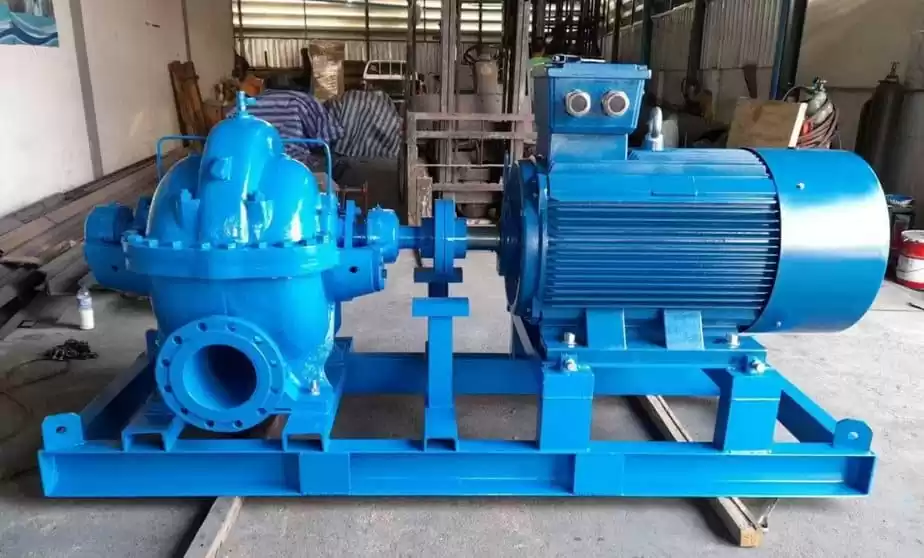
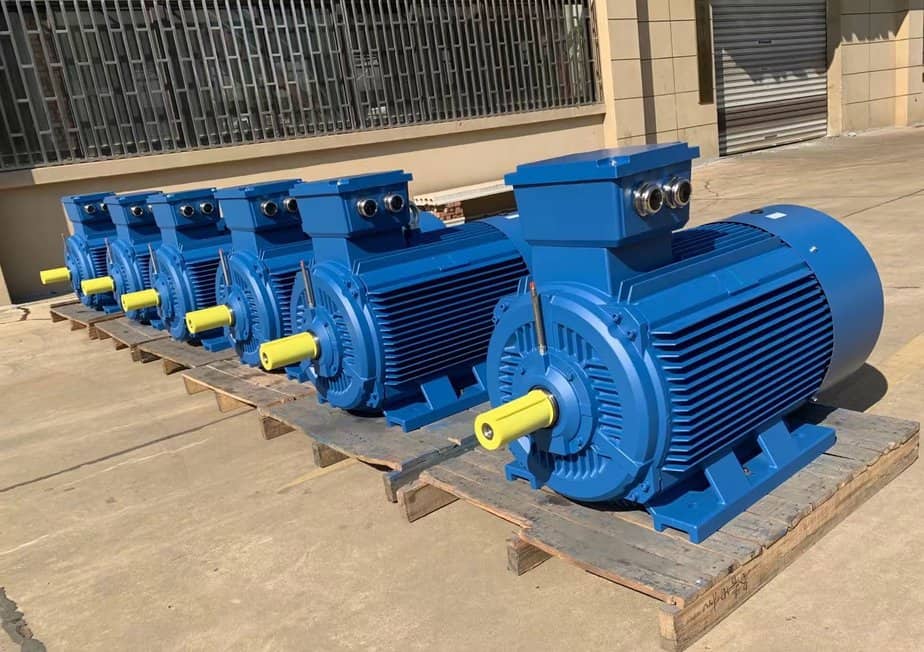
W szybkim nurcie dzisiejszego szybko rozwijającego się świata atrybuty takie jak biegłość i niezawodność są kamieniami węgielnymi sektorów przemysłowych.
W dziedzinie napędu elektrycznego triumfują silniki asynchroniczne, oferując panteon zalet zwiększających produktywność i ogólną skuteczność.
Ta dokładna analiza pozwoli przeanalizować wieloaspektowe korzyści związane z wykorzystaniem silników asynchronicznych, począwszy od ich dużej efektywności energetycznej i oszczędności fiskalnej, po ich elastyczność i niewielkie wymagania konserwacyjne.
Załóżmy, że jesteś producentem chcącym ulepszyć swoje metodologie produkcyjne lub przedsiębiorcą starającym się obciąć wydatki operacyjne.
W takim przypadku kluczowe staje się zrozumienie nieodłącznych zalet silników asynchronicznych. Badanie to wyjaśni mechanikę działania tych silników, ich charakterystyczne cechy konstrukcyjne i sposoby ich umiejętnego zintegrowania z różnorodnymi zastosowaniami.
Gdy osiągniemy kulminację tych eksploracji, zrozumiesz, dlaczego inwestowanie w silniki asynchroniczne to mądry wybór, który może wywołać wstrząsające zmiany w Twojej branży. Zanurzmy się zatem w ocean wiedzy i odkryjmy mnóstwo niesamowitych korzyści, jakie oferują silniki asynchroniczne.
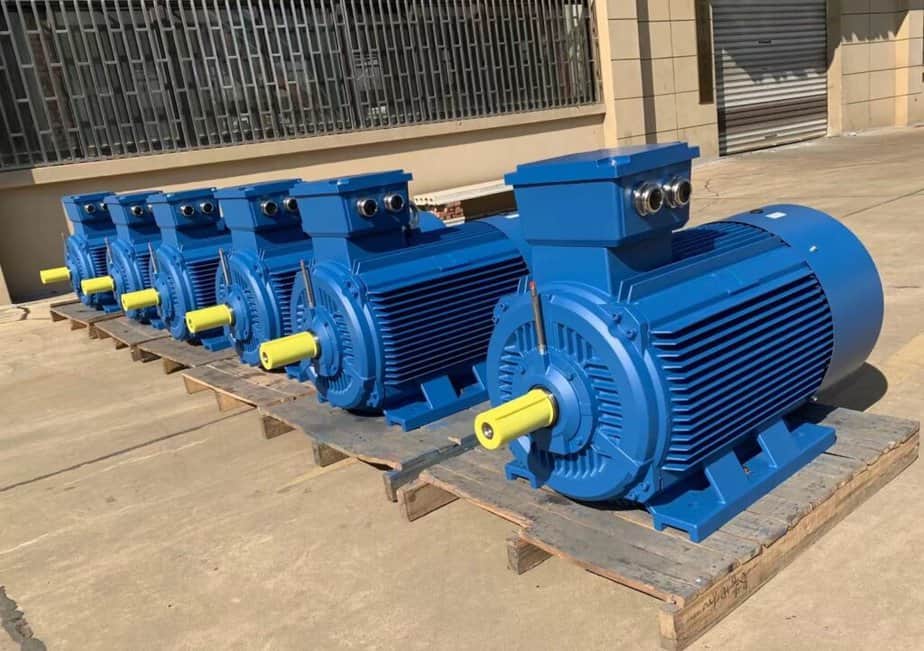
Silniki asynchroniczne, powszechnie znane jako silniki indukcyjne, znalazły szerokie zastosowanie w różnych gałęziach przemysłu, a wszystkim przypisuje się ich prostotę i niezachwianą niezawodność.
Silniki te działają na zasadzie indukcji elektromagnetycznej, zgodnie z którą wirujące pole magnetyczne powstaje bez fizycznego połączenia między stojanem a wirnikiem.
Ta unikalna konstrukcja umożliwia wydajną pracę silników asynchronicznych, eliminując potrzebę stosowania skomplikowanych mechanizmów szczotkowych lub pierścieni ślizgowych.
Stojan silnika asynchronicznego składa się z grupy uzwojeń podłączonych do źródła prądu przemiennego (AC). Po włączeniu zasilania prądem przemiennym uzwojenia wytwarzają wirujące pole magnetyczne, indukując prądy wewnątrz wirnika.
Wirnik, zwykle wykonany z przewodzących prętów lub aluminium, podąża za wirującym polem magnetycznym i rozpoczyna obrót w nieznacznie wolniejszym tempie niż pole. Ta rozbieżność prędkości, znana jako poślizg, umożliwia silnikowi generowanie momentu obrotowego i napędzanie obciążeń mechanicznych.
Jedna istotna zaleta silniki asynchroniczne jest ich zdolność adaptacji w różnych warunkach obciążenia.
Wraz ze wzrostem obciążenia poślizg jednocześnie wzrasta, umożliwiając silnikowi utrzymanie stałego momentu obrotowego.
Ta elastyczność sprawia, że silniki asynchroniczne nadają się do zastosowań o zmiennym obciążeniu, takich jak pompy, wentylatory i systemy przenośników. Ponadto nieistniejąca fizyczna interakcja między stojanem a wirnikiem eliminuje potrzebę stosowania komponentów wymagających częstej konserwacji, co zapewnia dłuższą żywotność i krótsze przestoje.
Odkrywanie mnóstwa zalet silników asynchronicznych
Potencjał oszczędzania energii w silnikach asynchronicznych
W erze głębokiej świadomości wykorzystania energii, efektywność energetyczna ma pierwszeństwo w gałęziach przemysłu. Silniki asynchroniczne są znane ze swoich zwiększonych możliwości oszczędzania energii, co czyni je optymalnym wyborem dla korporacji, które chcą zmniejszyć swój ślad węglowy i ogólne zużycie energii.
Silniki te charakteryzują się doskonałą wydajnością w porównaniu z innymi wariantami silników, takimi jak silniki synchroniczne lub silniki prądu stałego (DC). Zwiększoną sprawność silników asynchronicznych można przypisać ich minimalistycznej konstrukcji oraz brakowi szczotek i pierścieni ślizgowych, co zmniejsza tarcie i minimalizuje straty energii.
Ponadto silniki asynchroniczne mają współczynnik mocy bliski jedności, co oznacza, że zużywają prawie całą dostarczoną im energię elektryczną. Poprawia to ogólną jakość energii i zmniejsza zapotrzebowanie na moc bierną, co przekłada się na niższe rachunki za energię elektryczną i większą stabilność systemu. Stosowanie silników asynchronicznych nie tylko pozwala przedsiębiorstwom oszczędzać koszty energii, ale także pomaga dbać o zdrowsze środowisko.
Asynchronous Motors: The Economical Powerhouses
In the accelerating tempo of today's modern sphere, industrious efficiency and unflagging reliability are primary linchpins for any trade sector. Amongst the labyrinth of electric motor options, one breed that has surged to popularity is the asynchronous motor. These powerhouses offer an enticing array of boons that can considerably bolster productivity and performance metrics.
This exhaustive treatise will plunge into the manifold merits of employing asynchronous motors - encompassing aspects such as their laudable energy thriftiness, cost-effectiveness, remarkable adaptability, and scant maintenance requisites.
Whether you're a fabricator endeavouring to amplify your manufacturing efficiency or an entrepreneur pursuing methods to truncate operational expenses, comprehension of the bounties offered by asynchronous motors is a must.
We will embark on a journey into the intricate workings of these motors, their distinguishing design elements, and their facile integration into disparate applications. By the time you reach the end of this exploratory endeavour, you'll have a lucid grasp of why investing in asynchronous motors could be a shrewd move that could bring about a renaissance in your respective industry. So, without further ado, let's submerge into the intriguing world of asynchronous motors and unveil the fascinating rewards they bring.
Known alternately as induction motors, asynchronous motors enjoy wide-ranging use across a spectrum of industries, their appeal rooted in their simplicity and dependable performance. These motors exploit the principle of electromagnetic induction, generating a rotating magnetic field sans any physical linkage between the stator and the rotor.
This innovative arrangement facilitates efficient operation and abolishes the necessity for complex brush arrangements or slip rings.
The stator of an asynchronous motor houses a series of windings connected to an alternating current (AC) power supply. On application of AC power, these windings invoke a rotating magnetic field, which in turn incites currents within the rotor. The rotor, fashioned from conducting bars or aluminum, then trails this rotating field, spinning at a marginally reduced speed than the rotating field. This speed disparity, dubbed 'slip', capacitates the motor to generate torque and steer mechanical loads.
One of the pivotal benefits of asynchronous motors lies in their adaptability to varying load conditions. As the load escalates, the slip also elevates, enabling the motor to sustain a constant torque output.
This renders asynchronous motors perfectly suited for applications with fluctuating loads, such as pumps, fans, and conveyor systems.
Moreover, the lack of physical contact between the stator and the rotor eliminates the requirement for maintenance-heavy components, leading to an extended lifespan and diminished downtime.
Odkrywanie zalet silników asynchronicznych
The Energy Efficiency Marvels of Asynchronous Motors
In an era increasingly conscious of energy usage, top-ranking industries hold energy efficiency in high regard.
Asynchronous motors have earned a stellar reputation for their excellent energy efficiency, thus making them the ideal pick for businesses eager to trim their energy consumption and shrink their carbon footprint. These motors outperform other types such as synchronous motors or direct current (DC) motors when it comes to efficiency ratings.
This efficiency can be attributed to the uncomplicated design and the absence of brushes or slip rings, which diminishes friction and minimizes energy wastage.
In addition, asynchronous motors boast a power factor hovering close to unity, implying that they utilize nearly all the electrical power supplied to them. This enhances overall power quality and shrinks the reactive power demand, which in turn results in lower electricity bills and bolstered system stability.
Through the utilization of asynchronous motors, businesses can realize significant energy savings while contributing to a more sustainable future.
Cost-effectiveness: A Key Advantage of Asynchronous Motors
While initial investment costs may seem hefty, the longer-term view reveals the impressive cost-effectiveness of asynchronous motors.
With their extended operational lifespan, these motors usually incur lower maintenance costs. The lack of brush or commutator wear, reduced friction, and the absence of arcing (which can potentially damage the motor windings) all contribute to enhanced durability and longevity, thereby reducing the frequency of replacements and repairs.
Additionally, the motor's energy-efficient operation means reduced energy costs over time, a substantial financial advantage for energy-intensive sectors.
Szerokie możliwości adaptacji: spełnianie różnych wymagań operacyjnych
Asynchronous motors are noted for their vast operational range, being capable of operating under varying load conditions and power supplies.
From low-speed applications to high-speed ones, and from simple domestic appliances to complex industrial machinery, these motors meet a diverse array of operational demands. Thanks to their inherent design flexibility, asynchronous motors can be tailored to suit the specific requirements of different applications, further cementing their status as an incredibly adaptable solution in the realm of electric motors.
Operacje wymagające niewielkiej konserwacji: ograniczenie przestojów i zwiększenie produktywności
Another compelling advantage of asynchronous motors is their low-maintenance nature. Without the need for regular replacements of brushes or commutators - parts which are prone to wear and tear in other motor types - asynchronous motors require less frequent maintenance and are less likely to experience sudden breakdowns. This leads to a decrease in machine downtime, which in turn enhances overall productivity and operational efficiency.
Epilogue The allure of asynchronous motors, championed by their formidable energy optimization, cost efficiency, versatility, and meager upkeep demands, is indeed persuasive for an expansive gamut of operations.
Whether your objectives encompass the augmentation of manufacturing prowess, curtailment of operational expenses, or a quest for a greener horizon, comprehending and exploiting the virtues of these motors might illuminate the path towards actualizing your aspirations. An investment in asynchronous motors might just serve as the stimulus for a radical elevation in efficiency and productivity in your specific arena.
Hence, in the context of pinpointing an electric motor for your impending endeavor, it indeed merits cogitation to acknowledge the colossal advantages that asynchronous motors proffer.
Embracing these dependable, efficacious titans could signify a stride towards realizing superior operational efficiency and a more sustainable, environmentally considerate future.
Introducing Our Esteemed Manufacturing Facility
We cordially extend an invitation for you to unveil our esteemed electric motor production facility, nestled in the heart of China. With a timeline brimming with outstanding accomplishments, we stand testament to the creation of first-rate, efficient asynchronous motors, customized to sync with your distinctive requisites. Our manufacturing methodology, polished over the years, is typified by rigorous precision, uncompromising quality assurance, and an unwavering dedication to the fulfilment of our clientele's expectations.
If you find yourself in need of reliable, high-performance motors, we welcome you to reach out to us. Our dedicated team is always available to assist you, guide you through our product range, and help you select the optimal motor solution to meet your needs. Trust us to provide you with not just a product, but a comprehensive, top-tier service experience
 Przejdź do treści