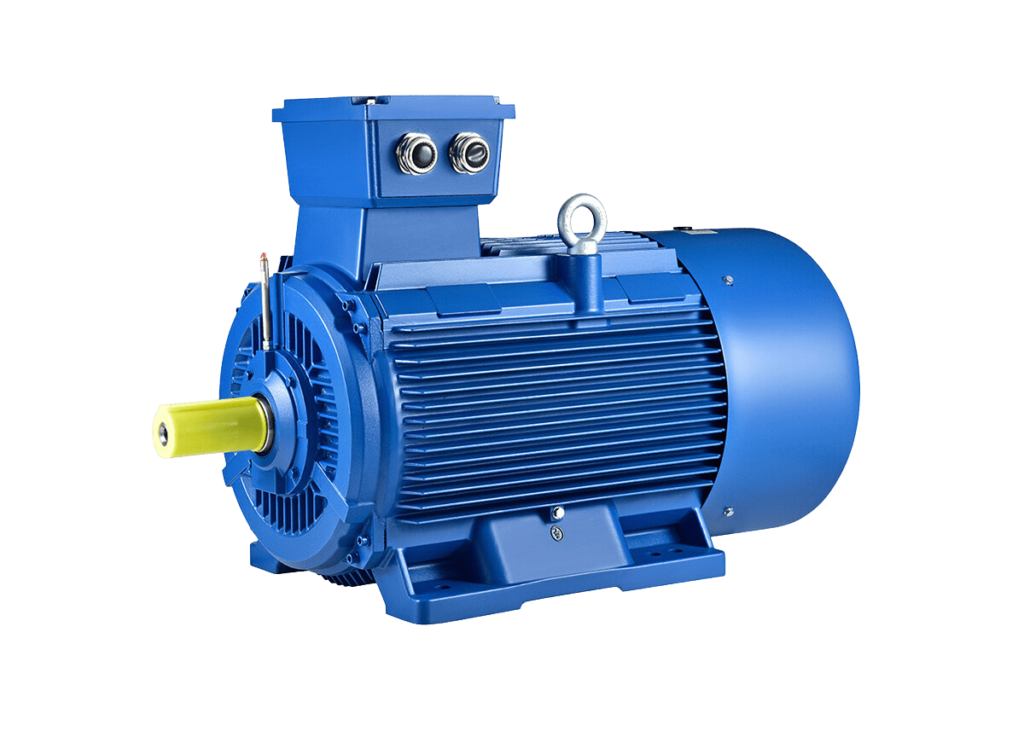
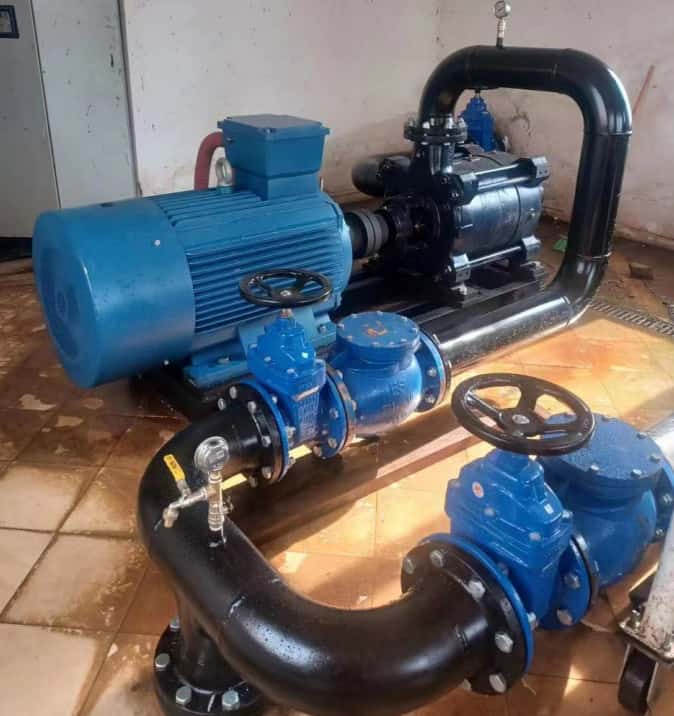
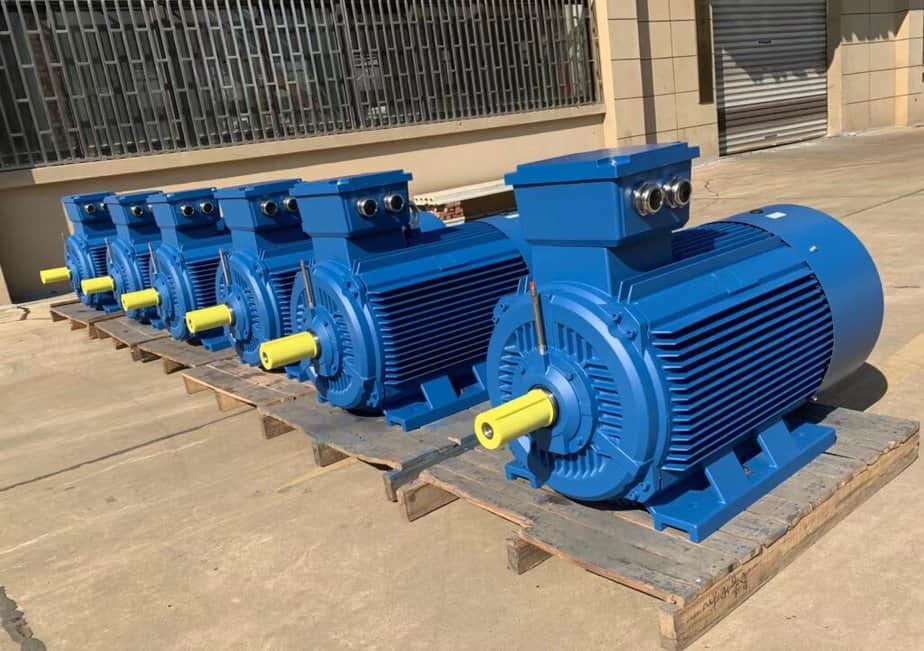
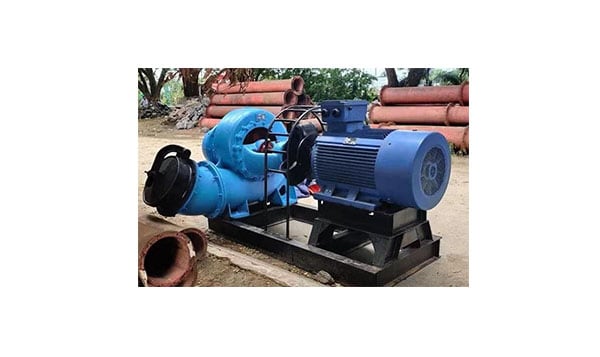
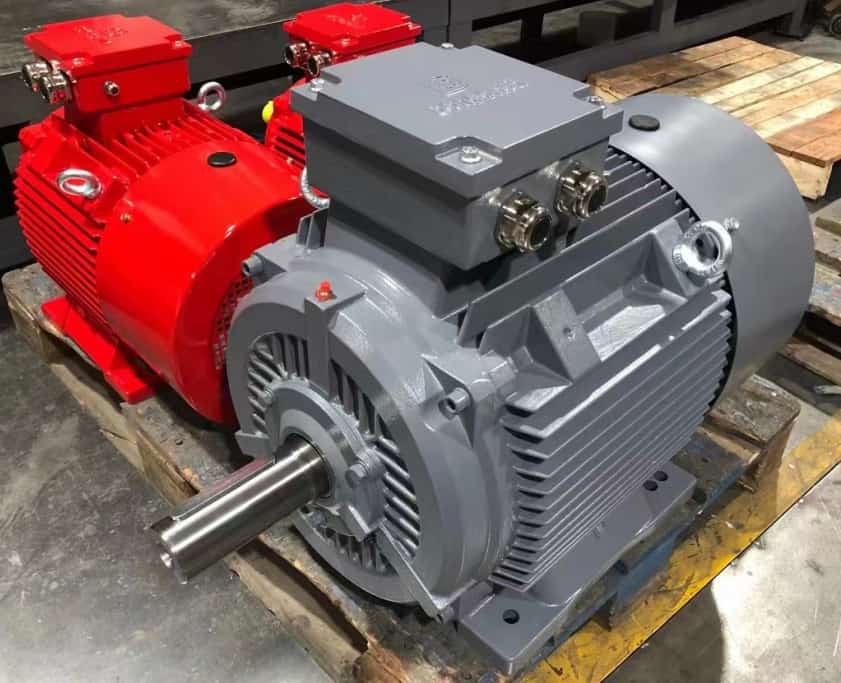
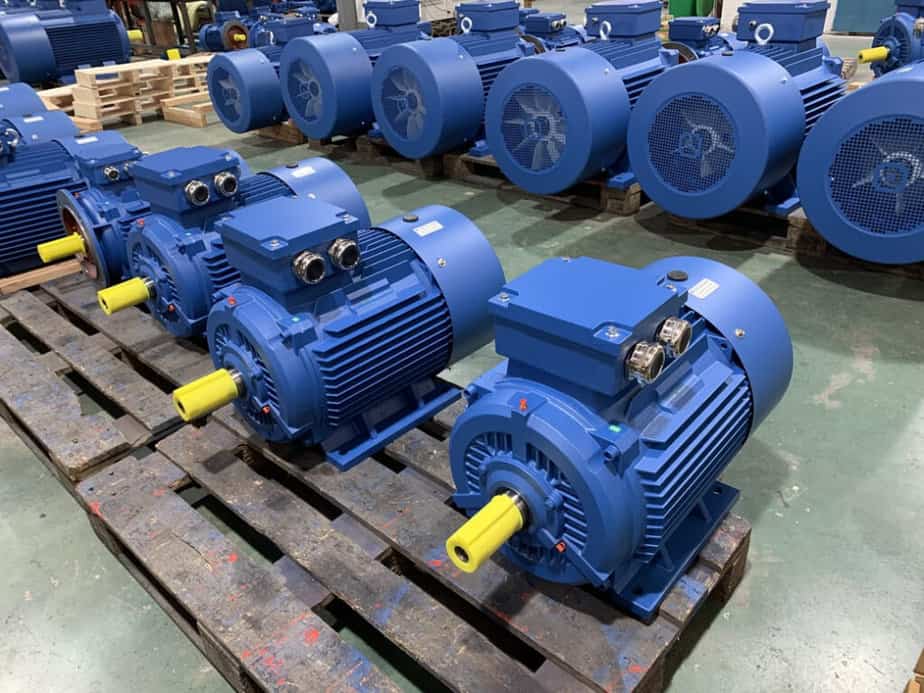
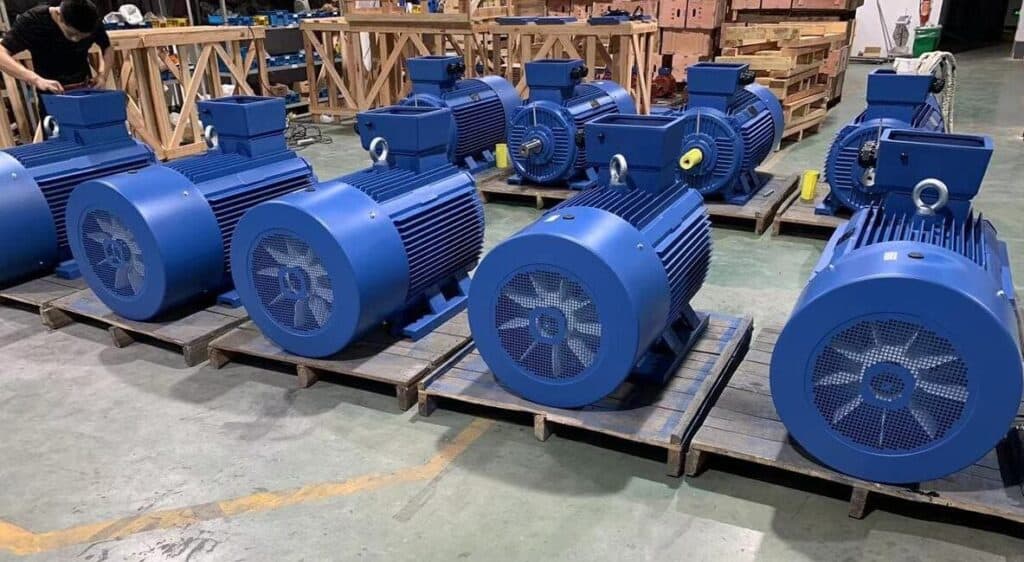
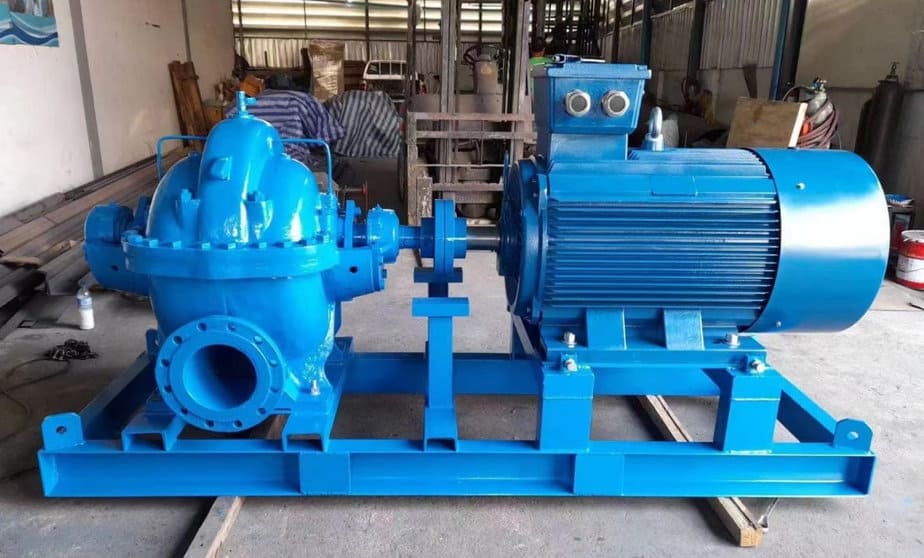
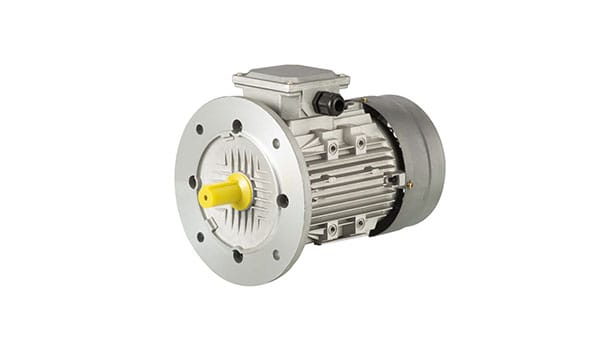
In het uitgestrekte landschap van industriële machines vallen elektrische motoren en pompen op als essentiële componenten die een groot aantal processen aandrijven. Ze zorgen voor het soepel functioneren van industrieën, van waterzuivering tot olie en gas, en vormen werkelijk het hart en de slagaders van moderne industrieën. Dit artikel wil licht werpen op de symbiotische relatie tussen deze twee essentiële elementen van de industrie: de elektromotor en de industriële pomp.
Elektromotoren, de werkpaarden van de industriële wereld, zetten elektrische energie om in mechanische energie en dienen als krachtbron voor een groot aantal machines en apparaten. Een van de meest voorkomende hiervan is de industriële pomp, een machine die de beweging van vloeistoffen vergemakkelijkt. Industriële pompen zijn er in een grote verscheidenheid aan typen en worden in talloze toepassingen gebruikt, van het pompen van water in gemeentelijke voorzieningen tot het verplaatsen van olie in raffinaderijen en daarbuiten.
De link tussen elektromotoren en industriële pompen is kritisch en genuanceerd, waarbij het ontwerp en de functie van de een de ander sterk beïnvloedt. Dit artikel gaat dieper in op deze fijne kneepjes en geeft inzicht in de manier waarop elektromotoren functioneren in industriële pompen en de impact die ze hebben op de prestaties, efficiëntie en betrouwbaarheid. Of u nu een professional uit de industrie bent, een student of gewoon iemand die geïnteresseerd is in industriële machines, dit artikel biedt waardevolle inzichten in de fascinerende wisselwerking tussen elektromotoren en pompen.
II. De grondbeginselen van industriële pompen
Industriële pompen zijn een klasse machines die zijn ontworpen om vloeistoffen te verplaatsen. Dit omvat vloeistoffen zoals water en olie, maar ook gassen, of zelfs vaste-vloeistofmengsels zoals slurries. Ze functioneren door een drukverschil te creëren, waardoor vloeistofbewegingen ontstaan van gebieden met hoge druk naar gebieden met lagere druk. Industriële pompen spelen een centrale rol in een groot aantal sectoren, waaronder waterzuivering, olie en gas, chemische productie, voedselverwerking en nog veel meer.
Er zijn verschillende soorten pompen die in industriële omgevingen worden gebruikt, elk met zijn eigen ontwerp, functionaliteit en toepassing. De meest voorkomende zijn:
Centrifugaalpompen: Dit zijn de meest gebruikte pompen in industrieën. Ze gebruiken een waaier om een middelpuntvliedende kracht te creëren, die de vloeistof vanuit het midden van de pomp naar buiten beweegt.
Verdringerpompen: Deze pompen werken door een vaste hoeveelheid vloeistof op te vangen en dat opgesloten volume vervolgens in de afvoerleiding te dwingen (verplaatsen).
Dompelpompen: Deze pompen zijn ontworpen om volledig te worden ondergedompeld in de vloeistof die ze verpompen. Ze worden vaak gebruikt in toepassingen zoals afvalwaterzuivering of olieboringen.
Membraanpompen: Deze werken door de heen en weer gaande werking van een membraan en terugslagkleppen om vloeistoffen te pompen. Ze zijn populair in industrieën waar een hermetische afdichting vereist is, zoals chemische of biomedische toepassingen.
Zuigerpompen: Ze werken met behulp van een zuiger die heen en weer beweegt in een cilindrische kamer, waardoor bij de ene slag vloeistof kan worden ingenomen en bij de andere kan worden afgevoerd.
Elk van deze pomptypen dient specifieke doeleinden, afhankelijk van de aard van de te verpompen vloeistof, de vereiste druk, het debiet en de bedrijfsomstandigheden. Ongeacht het type is één overeenkomst tussen al deze pompen dat ze een stroombron nodig hebben om te kunnen functioneren, wat vaak een elektromotor is. In het volgende gedeelte gaan we dieper in op de rol die deze motoren spelen bij het aandrijven van industriële pompen en het mogelijk maken van hun brede toepassingen.
At the heart of nearly every industrial pump lies an electric motor, silently converting electrical energy into mechanical energy. This transformation is crucial as it's this mechanical energy that is utilized to drive the pump. However, the interaction between the electric motor and the pump is not just limited to energy transformation; it also influences the pump's operational characteristics.
Electric motors are intrinsically linked to the action of the pump, dictating crucial operational factors such as flow rate and pressure. The power output, rotational speed, and torque provided by the motor directly affect how effectively the pump operates. As such, the electric motor is a critical component that not only powers the pump but also determines its performance characteristics.
Let's explore how electric motors function within some of the common types of pumps:
Centrifugaalpompen: In these pumps, the electric motor powers the impeller, a disc with curved blades. As the motor rotates the impeller, it generates centrifugal force, moving the fluid from the center of the pump to its periphery.
Verdringerpompen: In a positive displacement pump, the electric motor powers a mechanism (like a gear, rotor, or piston) that traps a fixed volume of fluid and moves it to the discharge pipe. Here, the motor's speed and torque significantly influence the flow rate and pressure.
Dompelpompen: For these pumps, the electric motor is encased in a waterproof housing and directly coupled to the pump body. It drives the pump impeller or mechanism, moving fluid from lower to higher elevations.
Membraanpompen: In diaphragm pumps, the electric motor powers a reciprocating mechanism that moves the diaphragm, creating a suction effect that draws the fluid into the pump chamber on one stroke, and then pushing it out on the other stroke.
Through these examples, we can see that the electric motor isn't just a peripheral component of the pump. Instead, it's an integral part of the system, facilitating the core function of the pump, which is fluid movement. Its importance only grows as we delve deeper into the world of pumps and motor selection, which we will explore in the upcoming sections.
IV. Het belang van elektromotoren in industriële pompen
Electric motors in industrial pumps are much more than mere sources of power; they are instrumental in shaping the performance, efficiency, and reliability of the pump operations. Their role is multi-faceted, and their influence is substantial, as discussed below:
1. Efficiency Improvements: Electric motors are highly efficient at converting electrical energy into mechanical energy, with modern motors able to achieve efficiencies of over 90%. This high level of efficiency means less energy is wasted in the form of heat and noise, resulting in lower operating costs and environmental impact. Furthermore, the advent of variable speed drives (VSDs) allows motors to operate only at the required speed, further enhancing energy efficiency.
2. Versatility: Electric motors are incredibly versatile. They can be designed to cater to a wide range of power requirements, operational speeds, and environmental conditions. This versatility allows them to power all types of pumps, from small, low-power pumps used in delicate biomedical applications to high-power pumps utilized in heavy-duty industrial operations.
3. Reliability: Industrial processes depend heavily on the reliable operation of pumps. Electric motors are known for their durability and reliability, requiring relatively low maintenance. This reliability translates directly to the pumps they power, ensuring consistent and uninterrupted operations.
4. Controllability: The speed and torque of electric motors can be precisely controlled using various techniques, like varying voltage, frequency, or the use of VSDs. This precise controllability allows for the pump's performance to be finely tuned to meet the specific requirements of the industrial process.
5. Sustainability: Electric motors are environmentally friendly, especially when powered by renewable sources of energy. They do not directly emit harmful pollutants, unlike combustion engines. This sustainability aspect is critical in today's industrial landscape, where there is a significant emphasis on reducing environmental impact.
Understanding the importance of electric motors in industrial pumps helps underscore why the right motor selection is crucial. In the next section, we will explore some of the factors that go into selecting the appropriate electric motor for an industrial pump and how these choices can impact the overall pump performance.
V. Het kiezen van de juiste elektromotor voor een pomp
Selecting the appropriate electric motor for a pump is a vital process that can significantly influence the pump's performance, efficiency, and longevity. A motor that is not well-suited to the pump it is powering may lead to sub-optimal performance, excessive energy consumption, frequent breakdowns, or even premature failure. Here are some key factors to consider when choosing an electric motor for an industrial pump:
1. Power Requirements: The motor must have sufficient power to meet the pump's requirements under all operational conditions. It's crucial to consider both the power needed for typical operation and the peak power that may be required during high-demand periods.
2. Operating Speed: The operating speed of the pump, typically measured in revolutions per minute (RPM), is another critical factor. The motor's speed should match the pump's requirements to ensure efficient operation and to prevent excessive wear and tear on the pump components.
3. Torque: Different types of pumps require different levels of torque, especially during startup. The electric motor selected must be able to provide the necessary torque to get the pump started and to maintain operation under varying load conditions.
4. Duty Cycle: The duty cycle of the pump, i.e., how often and for how long it is expected to operate, must be considered. Motors designed for continuous operation may not be suitable for pumps that operate intermittently, and vice versa.
5. Operating Environment: Environmental conditions such as temperature, humidity, exposure to chemicals, and the presence of dust or dirt can affect motor performance and lifespan. Motors designed for challenging operating environments often have special features, such as sealed bearings, enhanced cooling, or corrosion-resistant materials.
6. Efficiency: Motors with higher efficiency ratings will consume less energy for the same amount of work. While these motors may cost more initially, the savings in energy costs over time can more than offset the higher upfront cost.
7. Control Requirements: If the pump operation needs to be finely tuned or adjusted frequently, a motor compatible with advanced control systems may be required. Variable speed drives and servo motors offer excellent control capabilities.
The choice of the right motor can greatly enhance the pump's efficiency and reliability while minimizing operating costs and downtime. However, it's not just about selecting the right motor; maintaining it properly is equally important to ensure its long-term performance, a topic we will cover in a future article.
To understand the impact of electric motors on industrial pumps, let's examine a couple of real-world scenarios that illustrate how the right motor selection can enhance pump efficiency and reliability.
1. Case Study 1: Improved Energy Efficiency in a Water Treatment Plant
A municipal water treatment plant was facing high energy costs due to the operation of its centrifugal pumps. The pumps were powered by fixed-speed motors, running at maximum speed irrespective of the demand. After consulting with an electrical engineer, they decided to switch to high-efficiency electric motors with variable speed drives (VSDs).
The VSDs allowed the motor speed to be adjusted according to the demand, reducing unnecessary energy consumption during low-demand periods. The high-efficiency motors also wasted less energy in the form of heat. The result was a significant reduction in energy costs, highlighting the importance of motor efficiency and controllability in pump operations.
2. Case Study 2: Enhanced Reliability in an Oil Refinery
An oil refinery was experiencing frequent shutdowns due to the failure of the electric motors powering its positive displacement pumps. The motors were not designed for the high-temperature, high-dust environment of the refinery and were failing prematurely.
The refinery decided to invest in electric motors specifically designed for harsh environments, featuring sealed bearings and enhanced cooling mechanisms. The new motors proved far more reliable, drastically reducing downtime and maintenance costs. This case study underlines the importance of considering the operating environment when selecting electric motors for industrial pumps.
These case studies demonstrate the tangible benefits of choosing the right electric motor for an industrial pump. It's not just about meeting the power requirements; factors like efficiency, controllability, and suitability to the operating environment play a crucial role in enhancing pump performance and reliability.
VII. De toekomst van elektromotoren in industriële pompen
As we venture further into the 21st century, the industrial landscape continues to evolve. With it, the relationship between electric motors and industrial pumps is also set to undergo significant changes, driven by emerging trends and technological advancements.
1. Energy Efficiency: There's an increasing push towards improving energy efficiency in all aspects of industrial operation, and electric motors are no exception. Advancements in motor design and materials are likely to yield even more efficient motors in the future, reducing energy consumption and environmental impact.
2. Advanced Control Systems: The development of more sophisticated control systems, such as machine learning algorithms and AI, could enable even finer control over motor operation. This can lead to improved pump performance, greater efficiency, and a reduction in wear and tear, thereby extending the lifespan of both the motor and the pump.
3. Integration with IoT: The integration of electric motors with the Internet of Things (IoT) can provide real-time monitoring and diagnostics, helping to predict and prevent failures before they happen. This can enhance the reliability of pump operations and reduce downtime.
4. More Compact and Lightweight Designs: Advances in materials and design methodologies could lead to motors that are more compact and lighter without compromising on power and efficiency. This can be particularly beneficial in space-constrained applications.
5. Electrification: As industries move away from fossil fuels, electric motors are set to play an even more significant role in powering industrial pumps. This shift towards electrification may lead to greater innovation and development in the field of electric motors.
The future of electric motors in industrial pumps is promising, with technological advancements poised to enhance their role further. As these trends and innovations unfold, it will be increasingly important for industry professionals to stay abreast of these changes and understand their implications for industrial pump operations.
VIII Conclusie
From powering small pumps in delicate biomedical applications to driving massive pumps in heavy-duty industrial operations, electric motors play a critical role in the world of industrial pumps. Their importance extends far beyond being mere power sources, influencing factors such as pump performance, efficiency, and reliability.
As we've seen in this article, the relationship between electric motors and industrial pumps is complex and multi-faceted. The choice of the right motor, designed and sized properly to meet the pump's specific requirements, can greatly enhance the pump's operational efficiency and longevity.
With technological advancements and emerging trends such as increased energy efficiency, advanced control systems, IoT integration, and electrification, the role of electric motors in industrial pumps is set to become even more prominent. These changes present both challenges and opportunities for industry professionals, necessitating continuous learning and adaptation.
Finally, it's important to remember that while the technology and theories can get complex, the fundamental objective remains simple: to move fluids efficiently and reliably to support our industries and, by extension, our society. It's a testament to the incredible engineering feats that we often take for granted, and a reminder of the critical role that components like electric motors and pumps play in our modern world.
For those seeking to further deepen their understanding of electric motors and their role in industrial pumps, here are some additional resources that you may find valuable:
Books:
"Introduction to Motors and Generators" by National Industrial Training Center.
"Pump Handbook" by Igor J. Karassik, Joseph P. Messina, Paul Cooper, and Charles C. Heald.
Online Resources:
"Introduction to Motors" by Khan Academy (Video tutorial)
"Pump Types and Applications" by Engineers Edge (Article)
"Selection of Right Electric Motor for your Application" by EEP - Electrical Engineering Portal (Article)
Professional Courses:
"Electric Motors and Motor Control Circuits" by Coursera.
"Pumps and Pumping Systems" by PDHengineer.
Trade Shows and Conferences:
"International Electric Motor Expo" (Trade Show)
Whether you're an engineer looking to refine your understanding, a student seeking foundational knowledge, or an industry professional aiming to stay current with the latest trends, these resources can help enhance your grasp of this complex and critical topic.
Als u geïnteresseerd bent in het werken met de beste fabrikant van elektrische motor in China, gewoon Bezoek Dongchun -website om contact te maken met zijn experts.
 Skip naar inhoud